
Ask Madelyn: Winding Multicolored Warps
Winding a warp with lots of colors, especially in a complex pattern, can be an awkward process. Madelyn explains the easiest way to do it.
Category
Winding a warp with lots of colors, especially in a complex pattern, can be an awkward process. Madelyn explains the easiest way to do it.
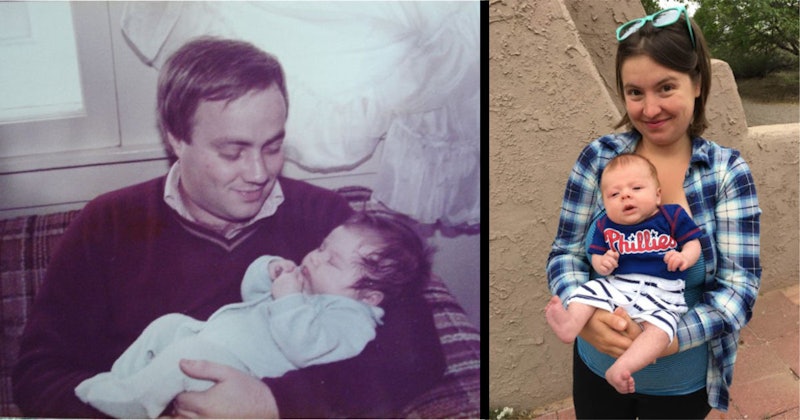
Cloth covers us and keeps us warm, it decorates our home, and it helps keeps us cozy on cold winter nights. Cloth also holds onto memories, both large and small. My wedding dress brings back memories of hot weather and butterflies in my stomach.
Here is a dilemma: I have inherited several cones of two different yarns and would like to make a table runner, but I'm not confident in how to approach it.
I am weaving a small table runner using 3/2 pearl cotton for warp and weft (red and green in the warp, white in the weft). I used a draft (#479, page 129) from Carol Strickler's A Weaver's Book of 8-Shaft Patterns, which I've modified a little.
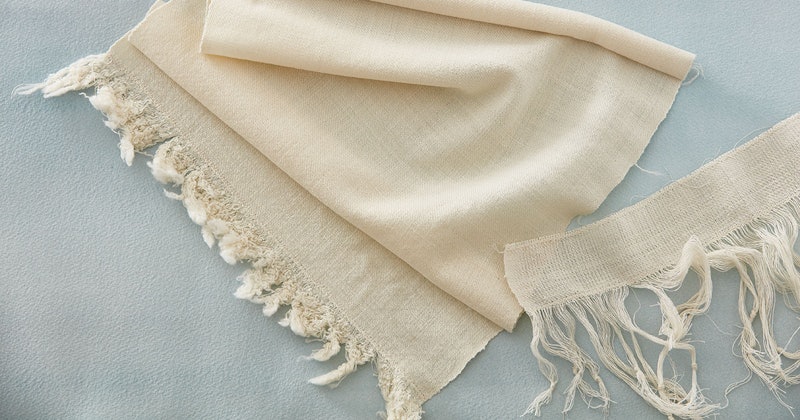
Sarah Wroot’s working title for her Spin Off Winter 2019 article started as “The Cassimere Project” but became “The Cassimere Insanity.”
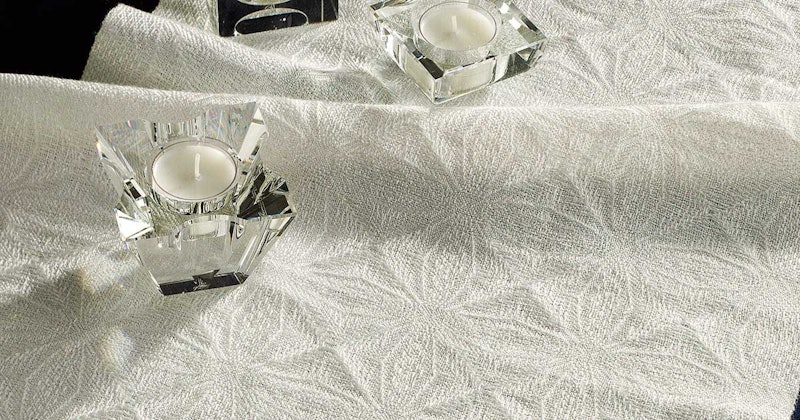
Holiday weaving is tricky. It’s not like making cookies or a pie, which you might start two days before, at the earliest. Weaving takes time and requires planning, and when the holidays are upon you, it’s too late.
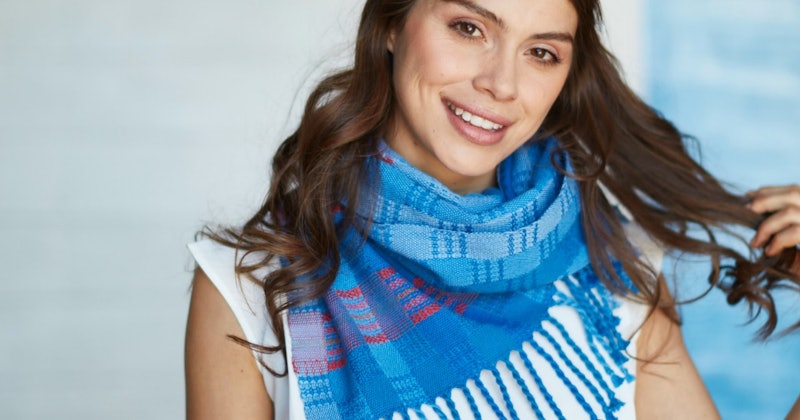
In her Stained-Glass Scarf from the November/December 2018 Handwoven, Karen Isenhower uses a weaving by Else Regensteiner as her initial inspiration for this wonderfully fun Swedish lace scarf. Read what Karen has to say about her design.
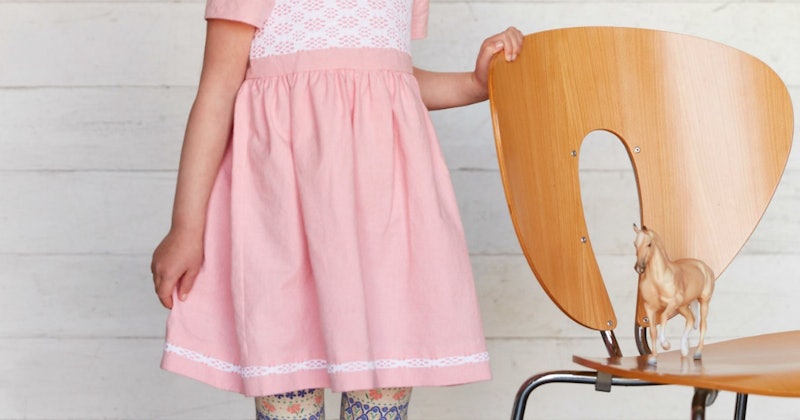
My favorite type of project is the one that looks complicated but in reality is just really clever. You know those projects, the ones that folks—especially nonweavers—ooh and aah over, exclaiming how difficult it must have been. Barb Wainright’s Swe
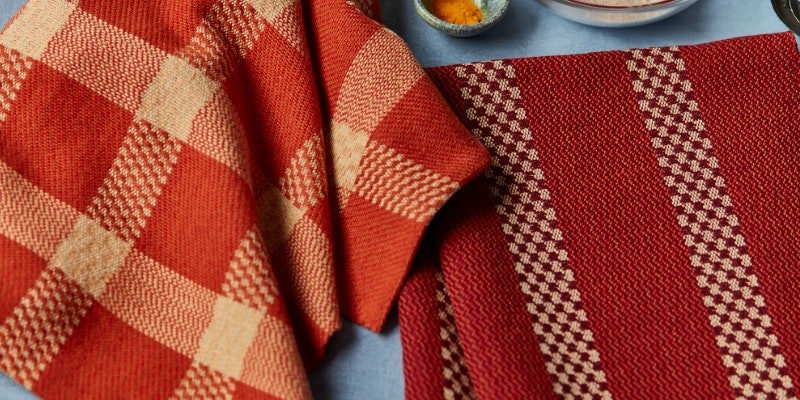
I can’t think of a better way to pay tribute to weavers long gone than to use their drafts in new and inspiring ways. Elizabeth Evans does just that with her Keep Me Warm Towels from the September/October 2018 issue of Handwoven.
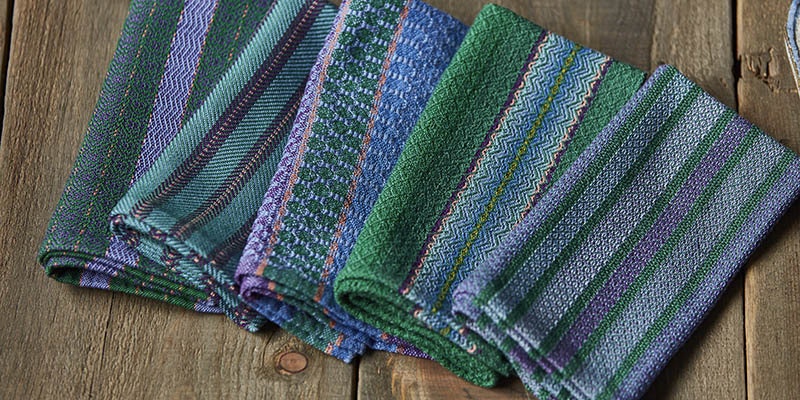
You can always start a weaving project from scratch: dream one up, find a draft. I do that, but I often use Handwoven to jump-start my projects, whether it is to explore a color combination I like or try a weave structure or yarn I’m not familiar with.
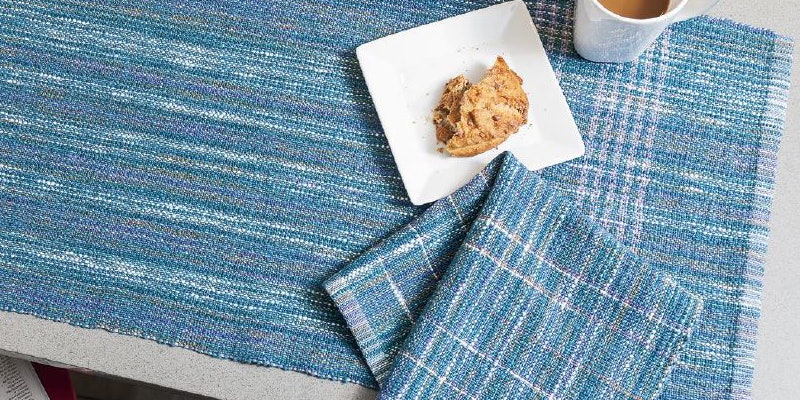
When I picnic, I like to bring my handwoven napkins with me. Using cloth when you’re dining al fresco is just logical. It won’t blow away, so you don’t have to worry about chasing a stray napkin across the park.
Usually, overshot is woven with a warp and tabby weft of the same size and a pattern weft that is two to three times heavier/thicker than the warp and tabby weft.