
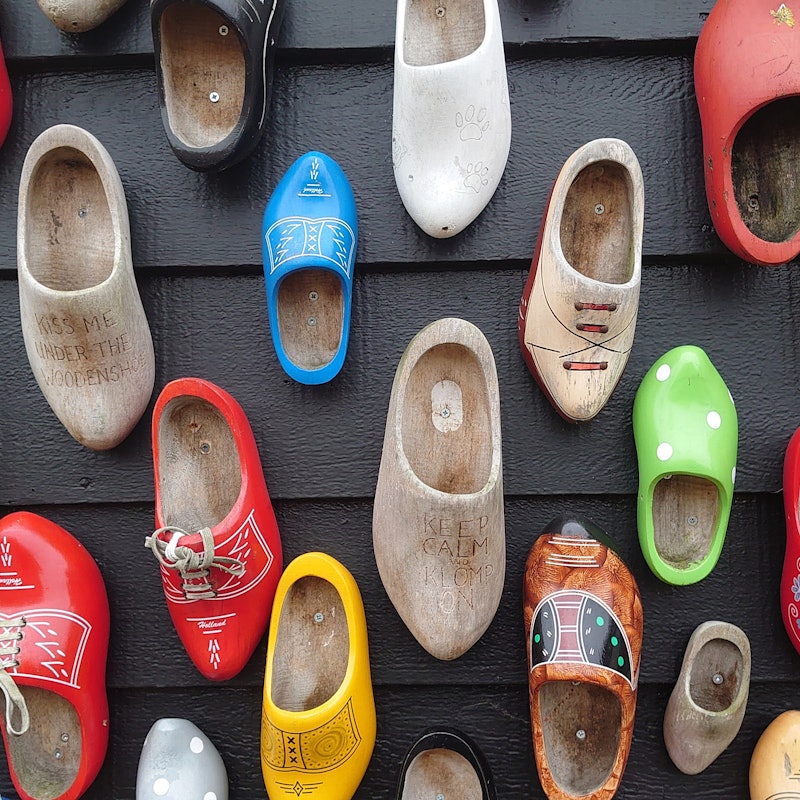
The Origin of the Word Sabotage
Did you know the origin of the word sabotage is weaving-related? There are two competing etymologies, but both have to do with the textile industry.
Category
Did you know the origin of the word sabotage is weaving-related? There are two competing etymologies, but both have to do with the textile industry.
I feel comfortable with dyes that I don‘t have to use in the kitchen, so these new tinctures are right up my alley.
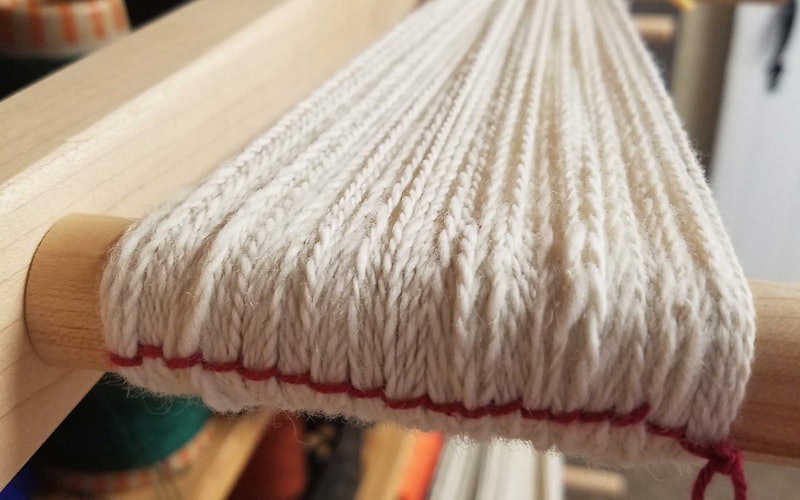
You can use a yarn's twist in your handwoven cloth to your advantage. Tom explores tracking and then spins yarns to test how it affects cloth in this article from Handwoven Jan/Feb 2022.
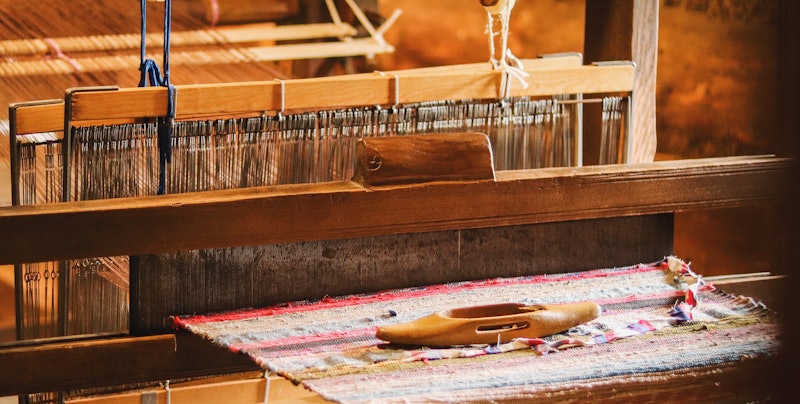
So, you’ve decided you want to take up weaving! The first thing you’ll need is a loom. Here are some different types of weaving looms and tips on how to choose your first loom.
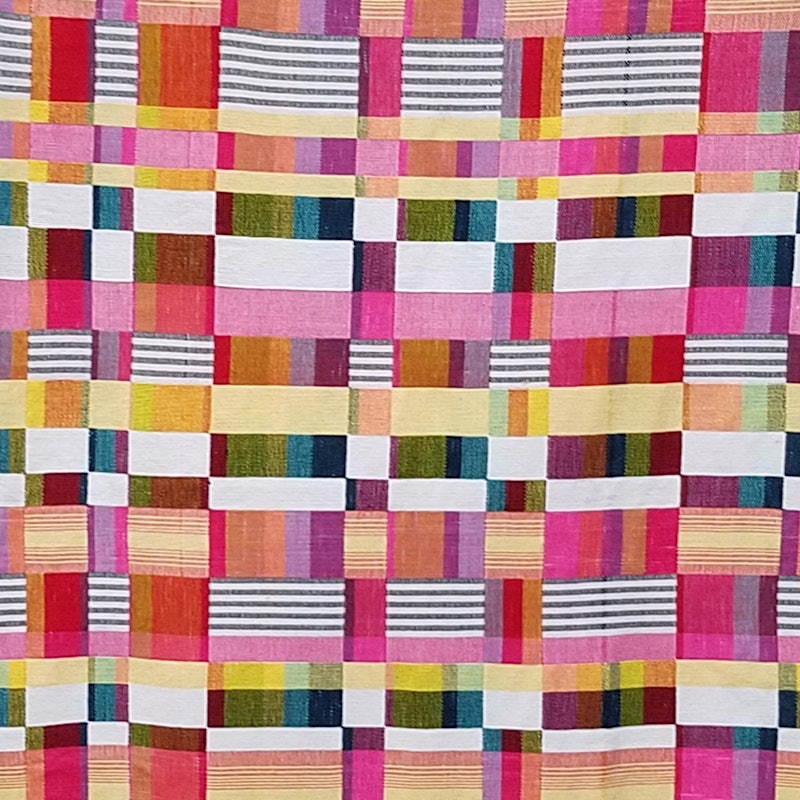
I’m back home with 6 new books, 2 cones of linen, 3 skeins of something weird and wool, a stack of catalogs, a variety of gadgets, and more ideas than I could weave in a lifetime, but being with other weavers was the best part.
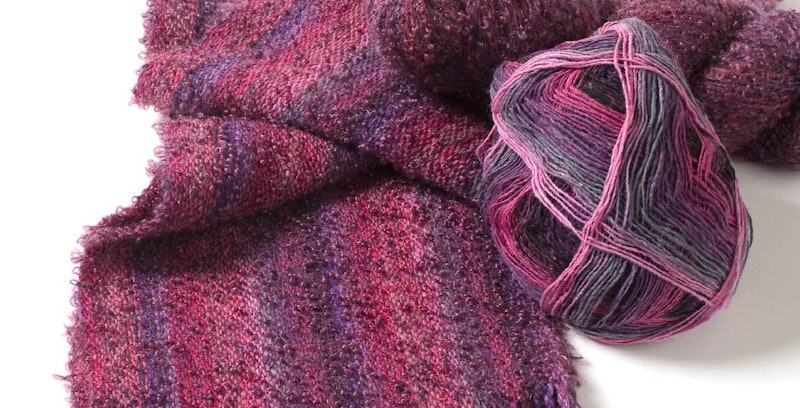
Got some sock yarn that wants to be a scarf? Download this free pattern by Joan Sheridan for 2-shaft or rigid-heddle looms.
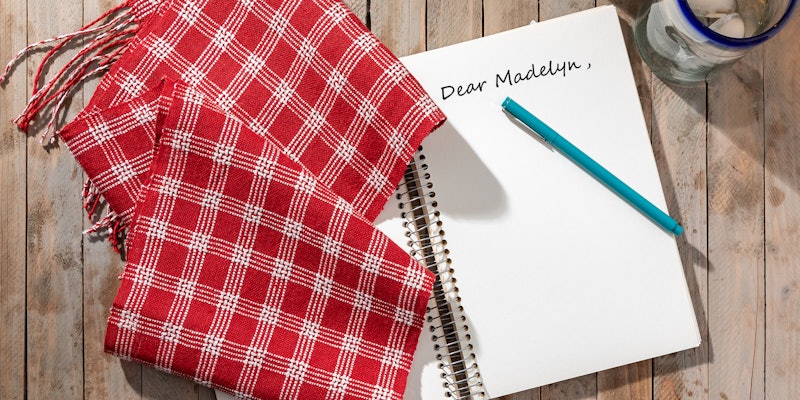
How do I find out what loom I should get?
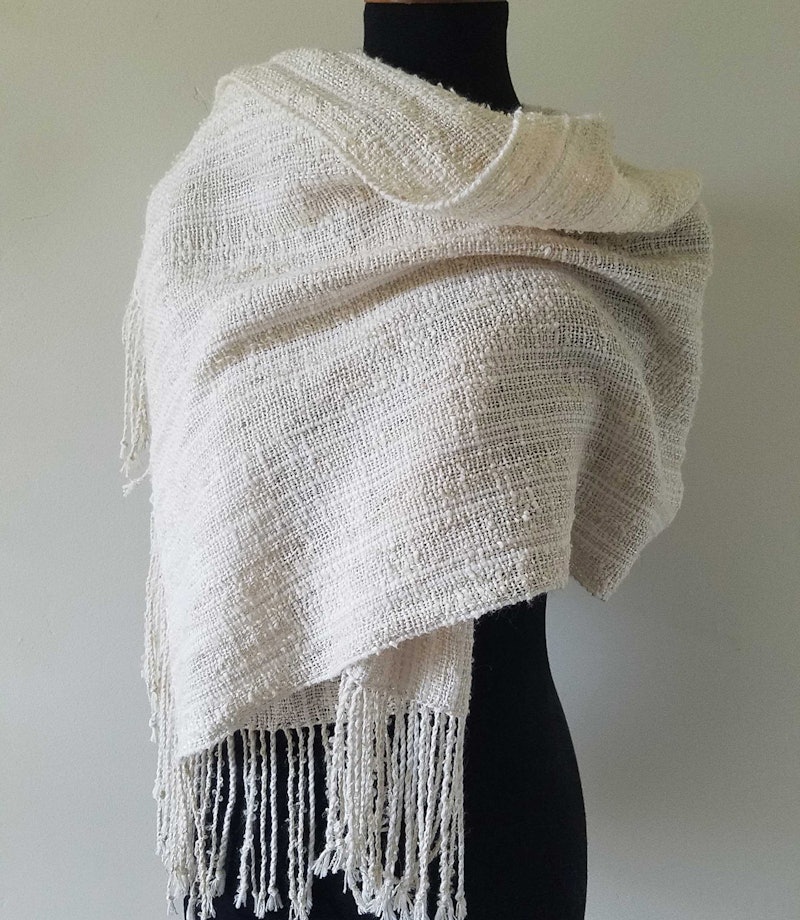
After realizing I didn’t like the untwisted fringe on a shawl, I set about twisting it and in the process learned a new-to-me way of making fringe even.
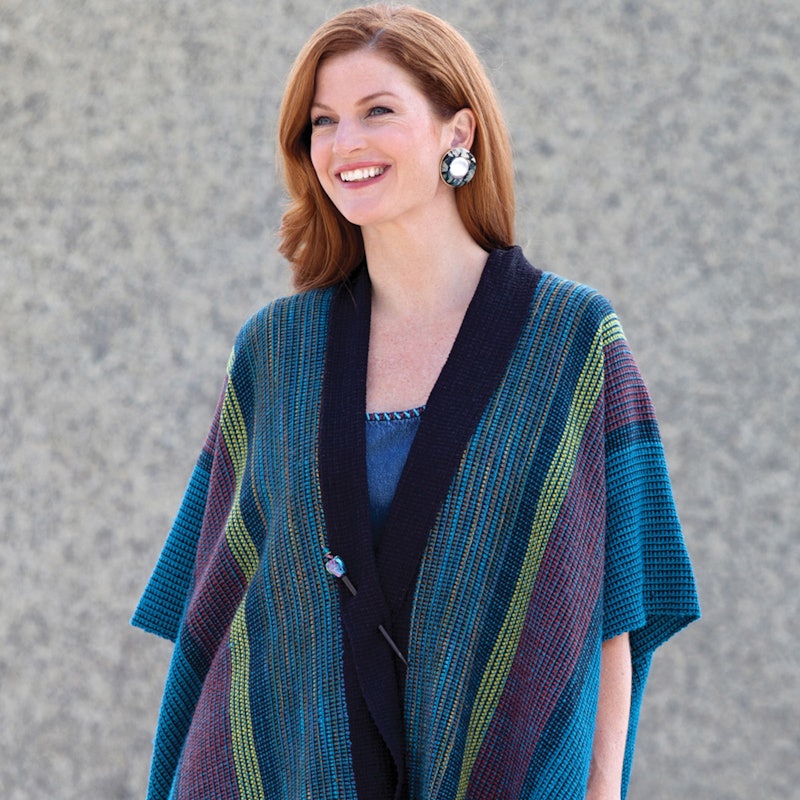
Every loom has its limits, but that needn’t stop you from making attractive handwoven garments.
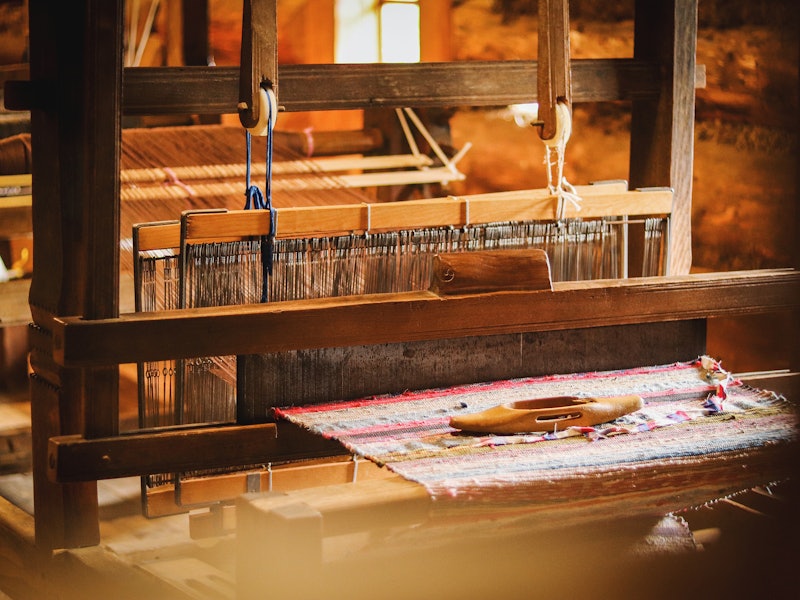
Wondering how to sanitize looms in a way that won’t damage the wood? Liz Moncrief has the answers.
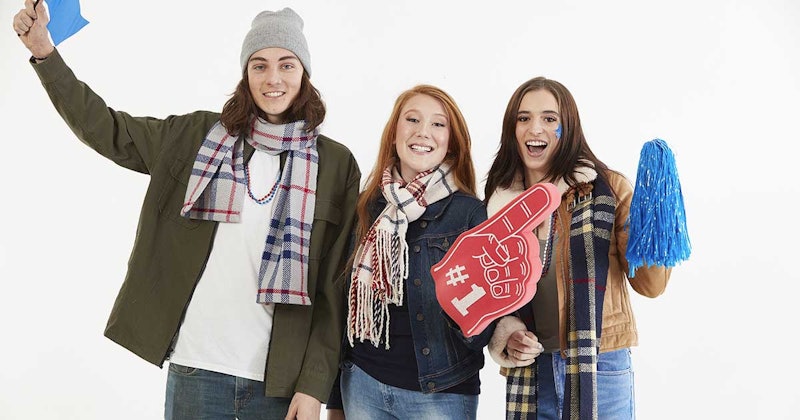
I’m in favor of thoughtfully finished weaving, so two of the things I love about the Team Colors Scarves is that they each have a different finish, and each finish complements the scarf and the yarn it is woven with. In this post we offer finishing tips
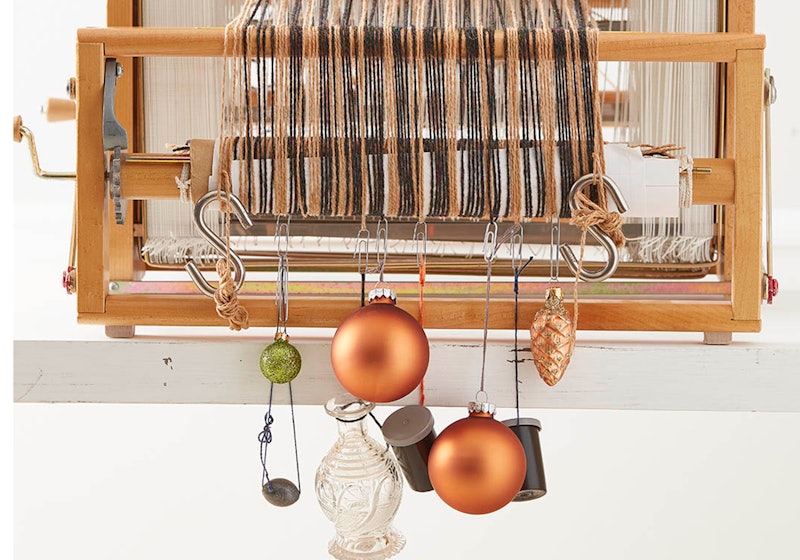
Even the best of weavers have the occasional slack warp end. Here are some tips on fixing them.