
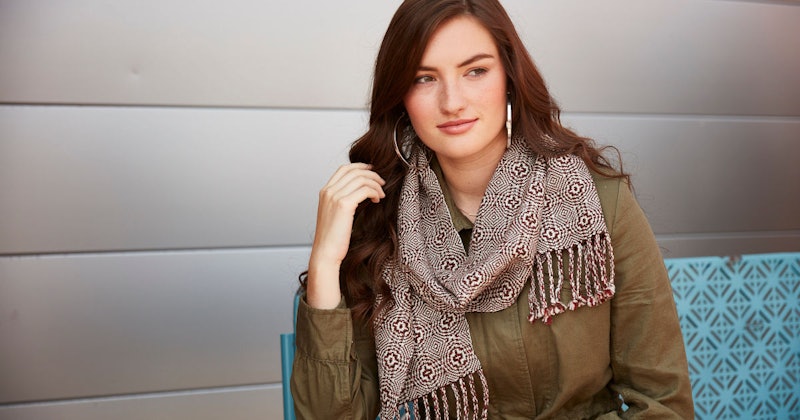
Blending This and That Scarves
Pattie Graver wove her Blending This and That Scarves for the January/February issue of Handwoven using a subdued palette that would go with just about any outfit.
Category
Pattie Graver wove her Blending This and That Scarves for the January/February issue of Handwoven using a subdued palette that would go with just about any outfit.
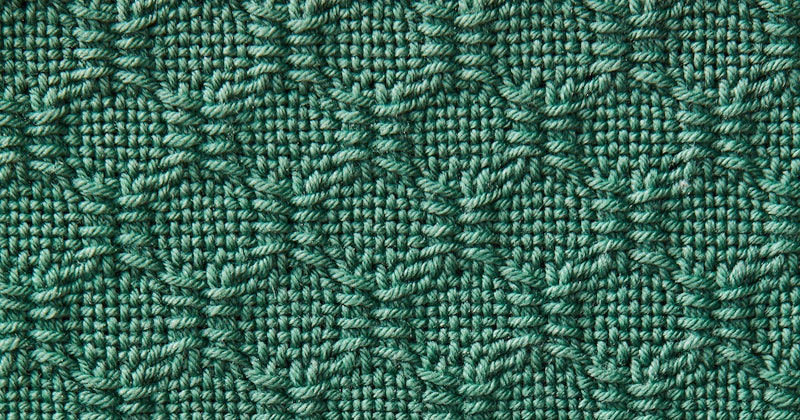
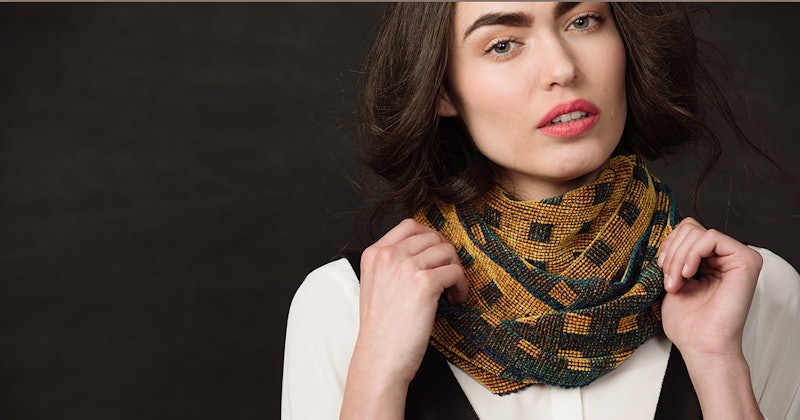
An elegant M's and O's infinity hood that will make you feel like a Hollywood starlet when it’s on and won’t have messed up your hair when you take it off.
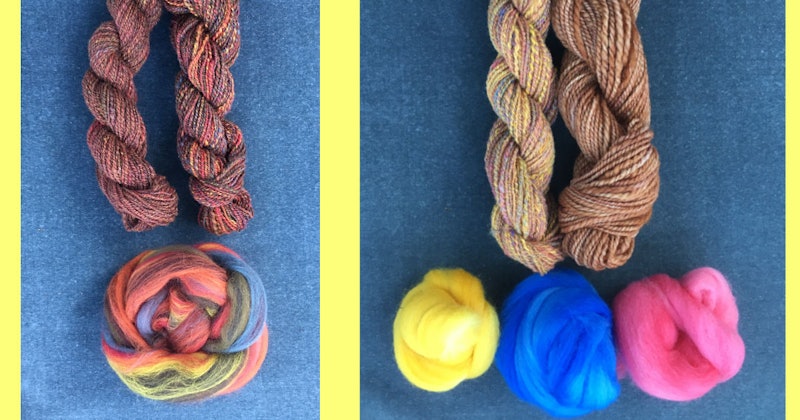
Yes, weavers have access to a lot these days, but they don’t have nearly as many choices as handspinners. Handspinners who weave can create the most personal of textiles and weave that which no one else can.
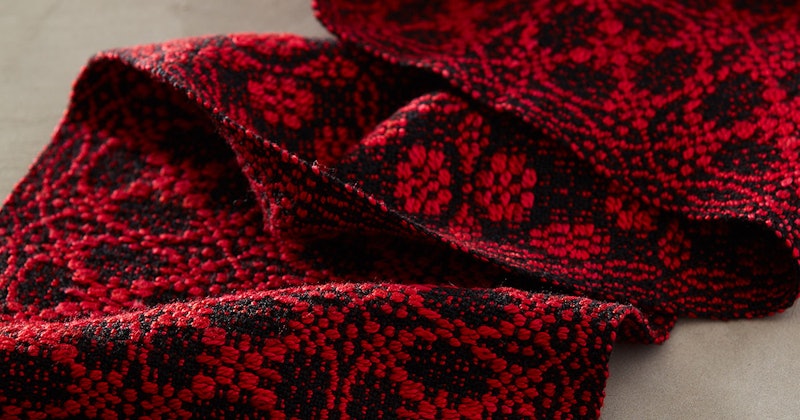
For me, there’s something cathartic about knowing that I can try anything I want to and it won’t damage the end result, as the ultimate goal of sampling is to learn what to do, or more often, what not to do when weaving.
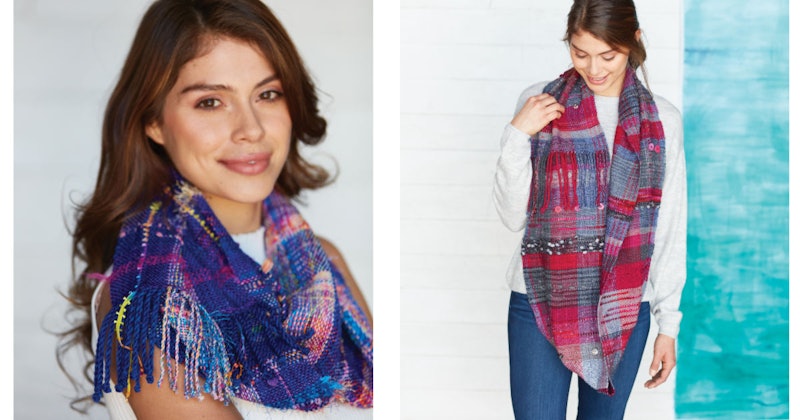
I am a knitter as well as a weaver, and I’ve developed a freeform weaving style that allows me to escape the constraints of knitting to create funky—and wearable—infinity scarves that use up the little bits of yarn that accumulate over time.
Random design is a fascinating concept, but well-designed is also wonderful, and a good designer can do both. We didn’t randomly choose designers for the three Loom Theory 2018 lookbooks.
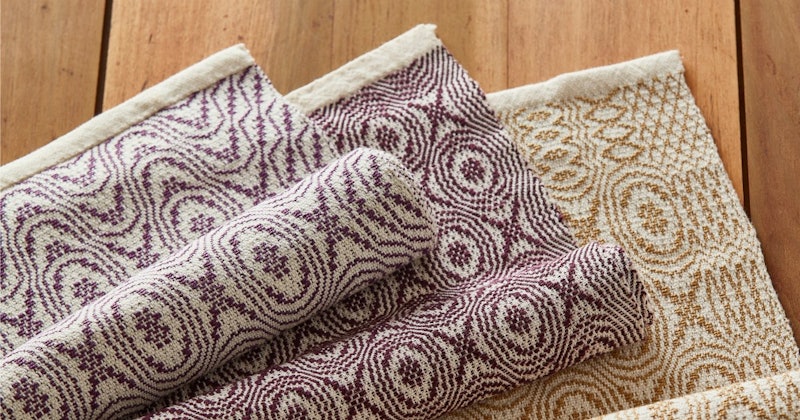
Last summer, I traveled to Red Stone Glen to film a few workshops with Tom Knisely. Tom is an amazing teacher. The topic this time is: how to design your own handwoven projects.
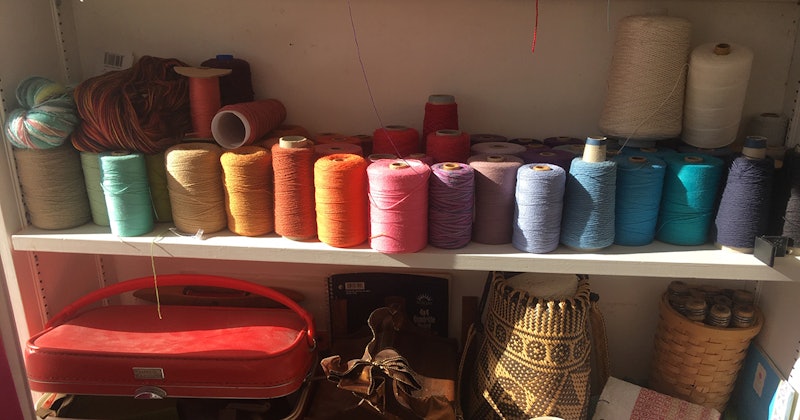
The basic premise of what is known as the KonMari method is to embrace what gives you joy and eliminate what doesn’t. This is rather easy when we’re talking about most yarns.
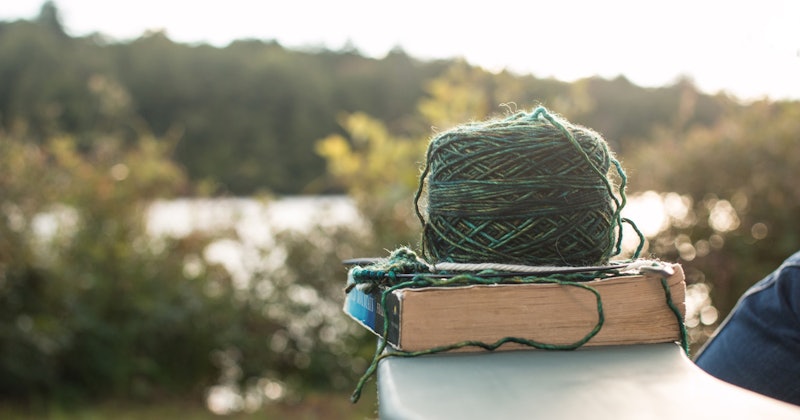
The day after chocolate-covered Valentine’s Day comes Singles Appreciation Day, when uncoupled people celebrate or commiserate their solo status. Most yarns are also in a relationship—that is, plied.

One of the fun things about being editor of Handwoven is coming up with the editorial calendar for the upcoming year.
Should hemming, fringe twisting, etc. for woven pieces be done before or after wet-finishing them?
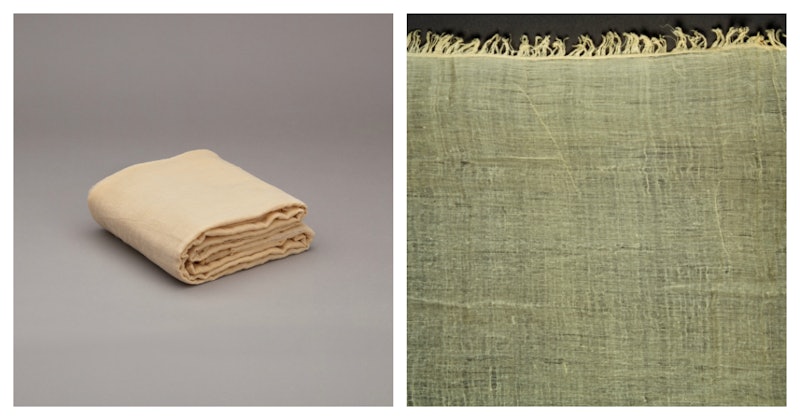
I have a set of linen sheets that are more than 20 years old. Aside from an inadvertent crayon stain, they look just as they did when I bought them, despite two decades of regular use.