
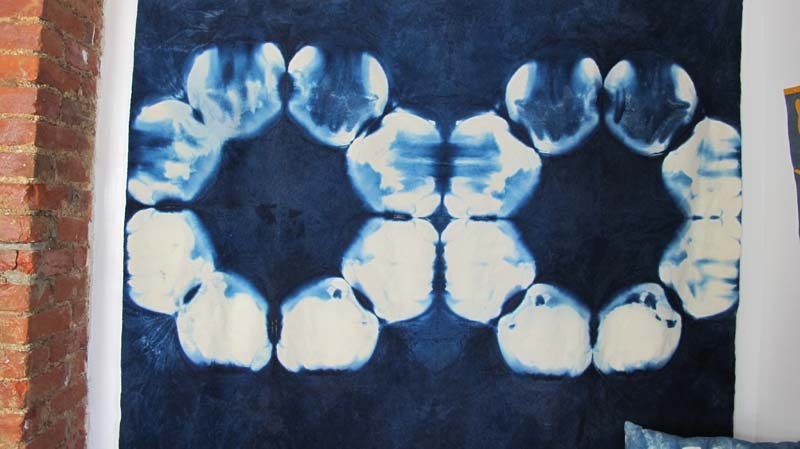
Primitive Loom, Modern Weaver, Timeless Technology
Check out this crazy primitive loom, made using only primitive tools fashioned in nature. Proof that weaving technology is truly timeless!
Category
Check out this crazy primitive loom, made using only primitive tools fashioned in nature. Proof that weaving technology is truly timeless!
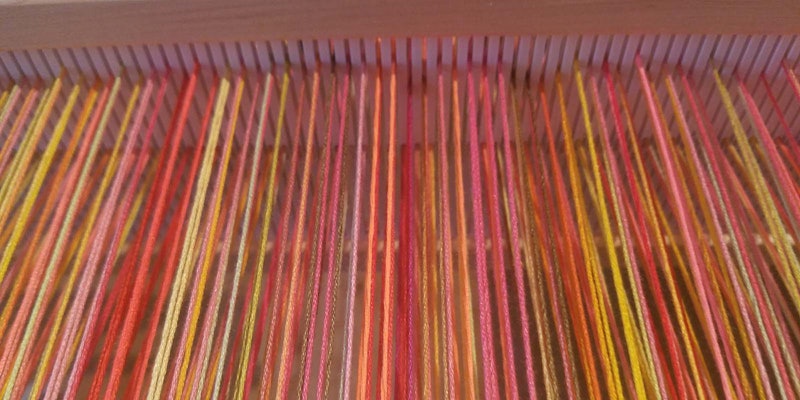
What do you do if you want to weave a project wider than your loom? You can use doubleweave, or a unique technique from Sara Bixler. Learn more here!

Once you understand how to weave and design with profile drafts, you'll be able to translate endless geometric patterns into block weaves. Get started now!

Weaving in a stick lets you cut your work off the loom and keep weaving on the same warp. It's one of those weaving techniques you'll turn to over and over.
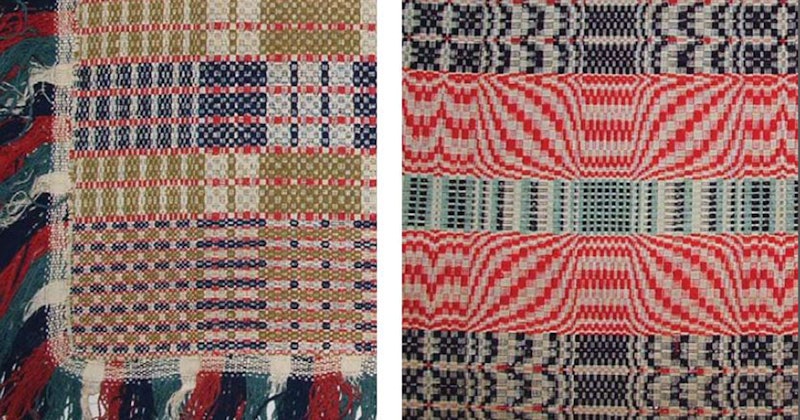
Early American coverlets are a key part of weaving history. Learn why they were so important to American colonial households and how they were made here!

Looking for a fun, quick pin loom project? Try this cute stuffed zebra, made of striped squares and rectangles sewn together. Weave up a whole dazzle!
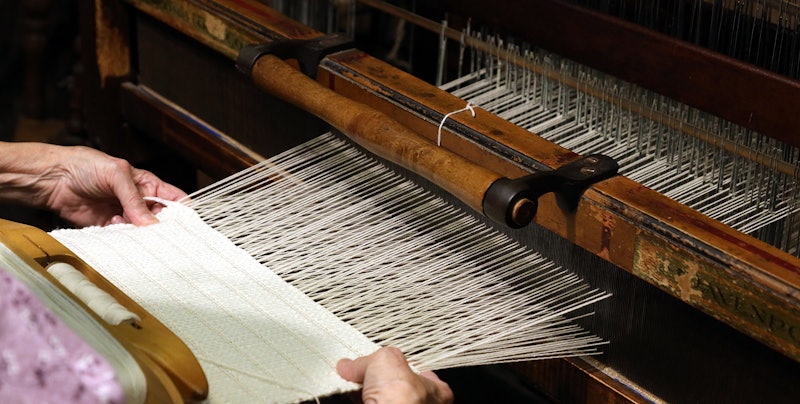
Warping a loom back to front has its advantages! Lease sticks and a raddle keep your warps in order, and you start out securely attached to the back beam.
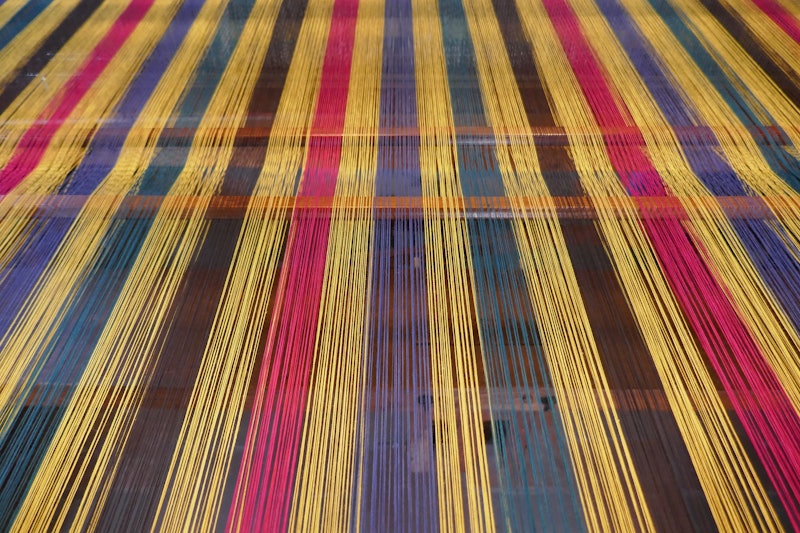
Learn the art of warping a loom front to back! Front to back warping gives you some flexibility in winding your warp and doesn't require a raddle.

Wondering what method of warping a loom you ought to use? Madelyn lays out the factors you should consider when deciding how to warp.

Learn about core rope memory and how it's a part of both weaving history and scientific history. Without weavers, we couldn't have gotten to the moon!
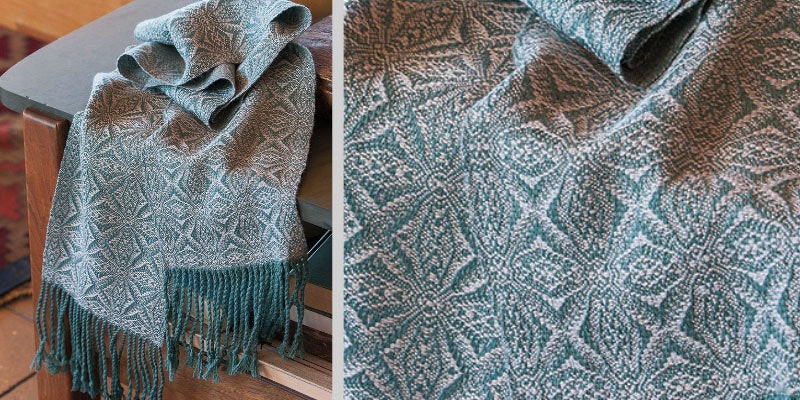
Understanding weave structures allows you to weave many variations on a single warp, and mix threadings and treadlings within and outside of a structure.

If you have a choice between sleying your floating selvedge in a dent by itself or with another thread, what should you do?