
Ask Madelyn: How to Handle Unused Shafts
If you have an 8-shaft loom but a project that only calls for 4, what do you do? Can you just ignore the extra shafts, or must you change your threading?
Category
If you have an 8-shaft loom but a project that only calls for 4, what do you do? Can you just ignore the extra shafts, or must you change your threading?
I wound 2 ends of 8/2 unmercerized cotton and 1 end of 20/2 pearl cotton together. Now I am having all sorts of tension issues with the ends twisted together.

I am weaving a huck-lace cloth in 8/2 Tencel that has window frames of plain weave surrounding squares of huck lace. I am experiencing two problems: loose threads and a wavy fell line.
Why do selvedge threads break more on a floor loom than on a table loom?
Reducing draw-in will also prevent your selvedge ends from fraying, but how do you do it?
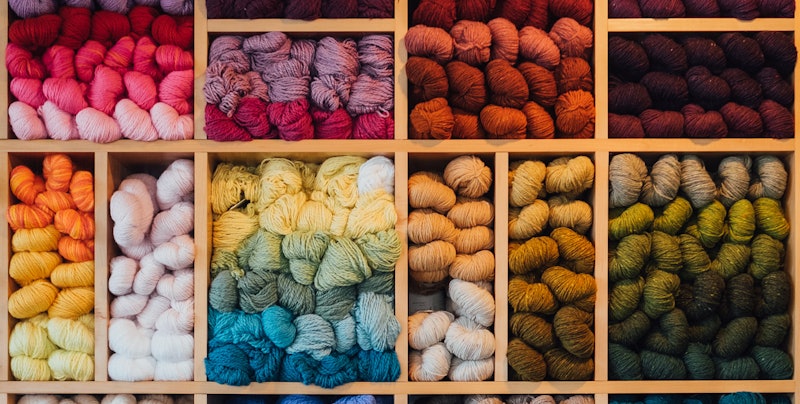
My superpower is changing lengths of yarn into lengths of fabric.
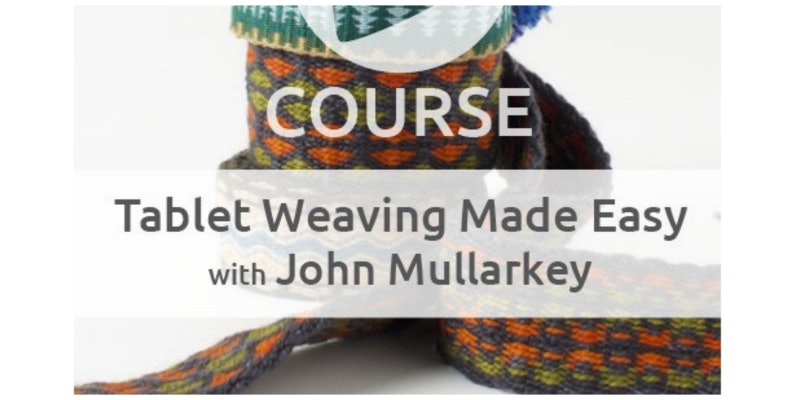
The notion of advanced tablet weaving has always made me a bit squeamish. In the post below, tablet weaver extraordinaire John Mullarkey dispels the myths surrounding “advanced” card weaving and shows us that advanced doesn’t always mean difficult.
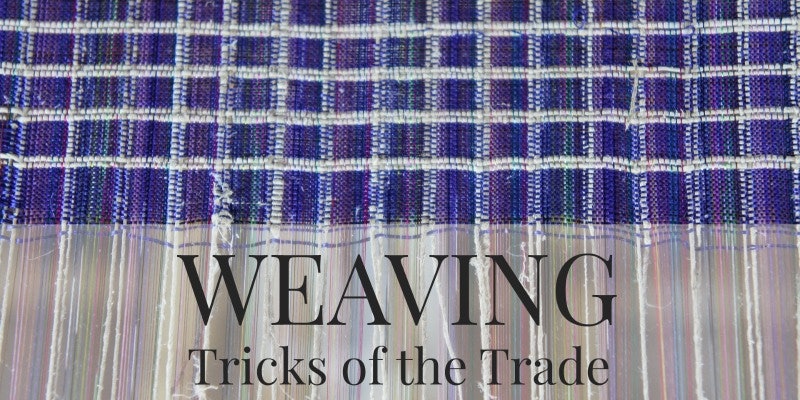
You see a project you really love, but you don’t have the right yarns. You could order them, but you want to start weaving today. Here are some tips for using the yarns you have.
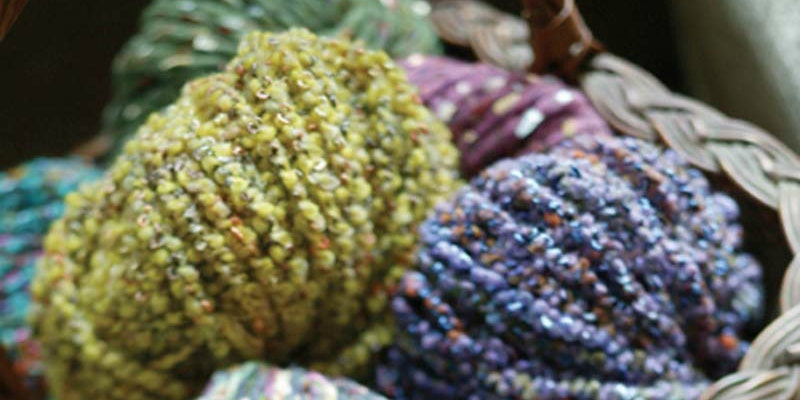
Novelty yarns are very familiar to knitters, but not something you find in a hard-core weaving shop. Why is this? I think it’s because knitters have a much easier time working fancy yarns into their projects.
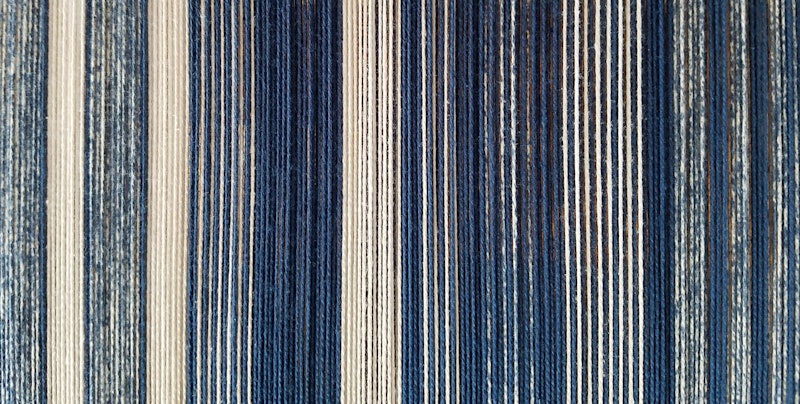
So you’ve warped the loom and you’ve started to weave. Uh-oh, something is not right. You check, and sure enough, one thread is on the wrong shaft.
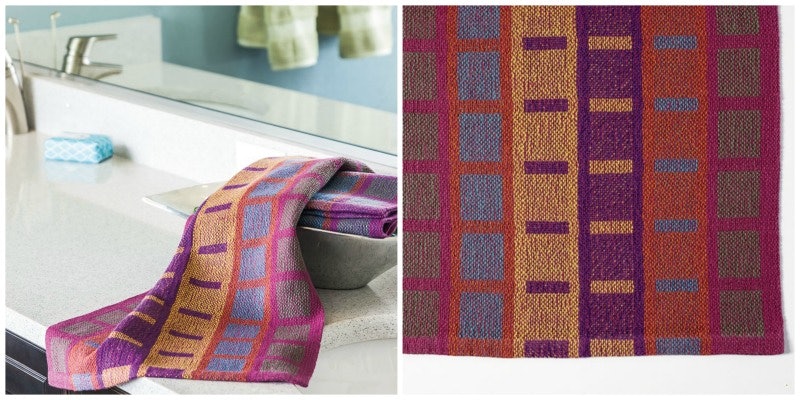
Madelyn started weaving on a backstrap loom and didn't move to weaving on a mulitshaft loom until much later. Read about her journey.
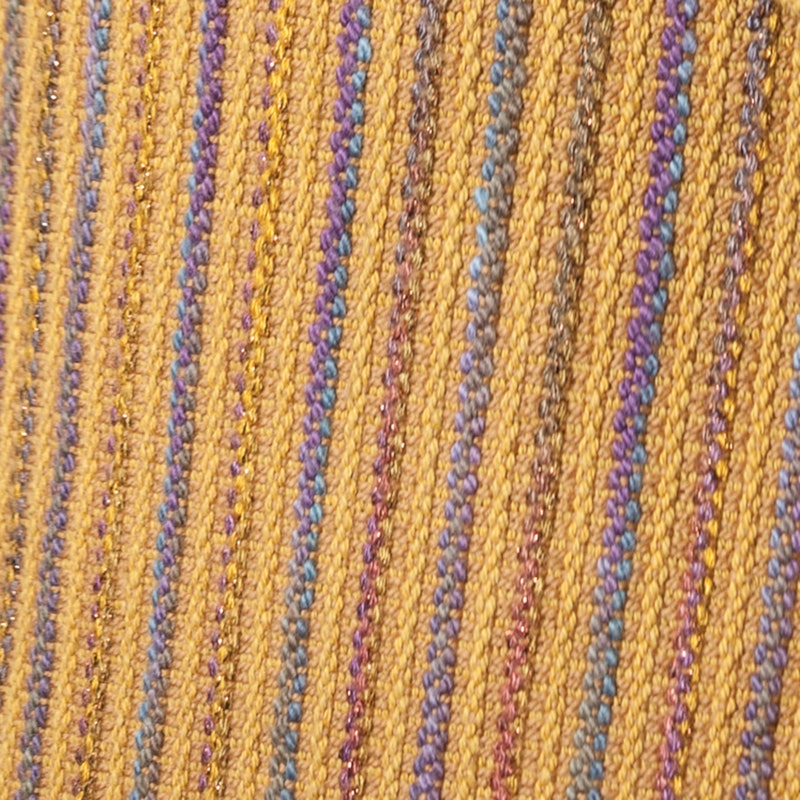
Bumberet, Velveret, and Thickset are three related weave structures that produce fabrics with interesting texture. All three invite experimentation with colors and yarns