
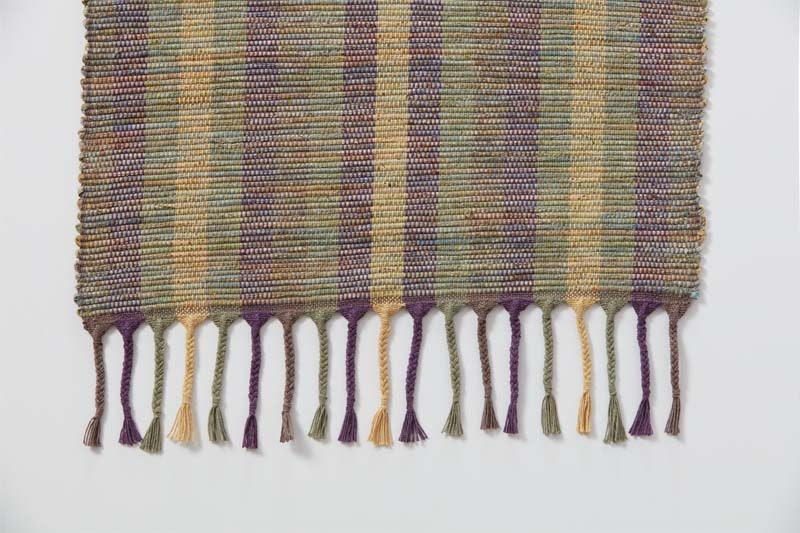
Weaving Finishing Techniques
The projects found in the May/June 2017 issue of Handwoven take that peaceful feeling one step further and, in some cases, multiple steps further with exquisite finishing techniques.
Category
The projects found in the May/June 2017 issue of Handwoven take that peaceful feeling one step further and, in some cases, multiple steps further with exquisite finishing techniques.
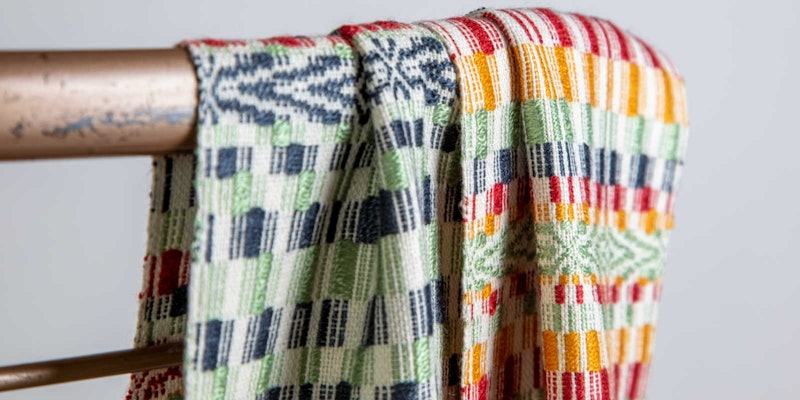
Are you a weaver who gets no respect? Are you tired of people misunderstanding your weaving? You aren’t alone.

I have trouble understanding the concept of weaving on opposites.

If you have an 8-shaft loom but a project that only calls for 4, what do you do? Can you just ignore the extra shafts, or must you change your threading?

I wound 2 ends of 8/2 unmercerized cotton and 1 end of 20/2 pearl cotton together. Now I am having all sorts of tension issues with the ends twisted together.

I am weaving a huck-lace cloth in 8/2 Tencel that has window frames of plain weave surrounding squares of huck lace. I am experiencing two problems: loose threads and a wavy fell line.
Why do selvedge threads break more on a floor loom than on a table loom?
Reducing draw-in will also prevent your selvedge ends from fraying, but how do you do it?
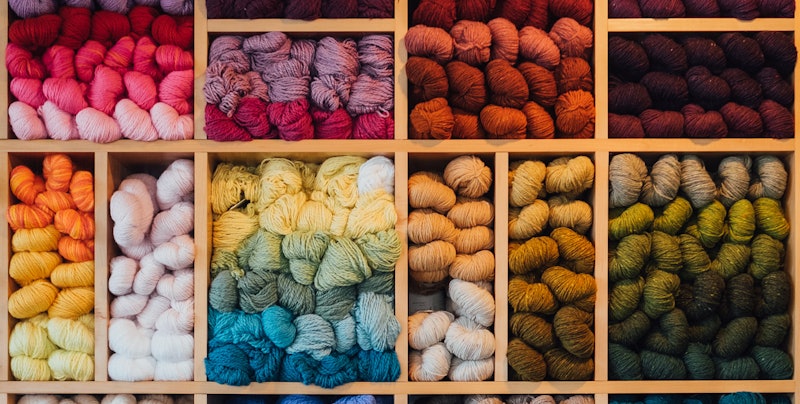
My superpower is changing lengths of yarn into lengths of fabric.
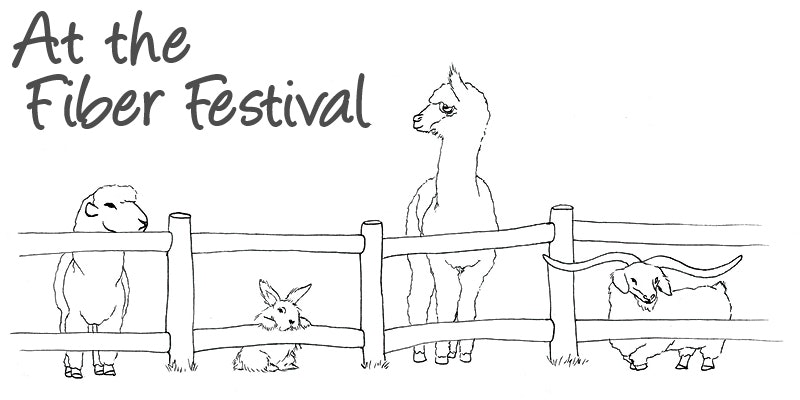
Fiber enthusiasts look forward to sheep and wool festivals every year! Some even travel across the country to attend the larger festivals. Fiber festivals have more to offer than just the vendors market. Had enough shopping?

The notion of advanced tablet weaving has always made me a bit squeamish. In the post below, tablet weaver extraordinaire John Mullarkey dispels the myths surrounding “advanced” card weaving and shows us that advanced doesn’t always mean difficult.
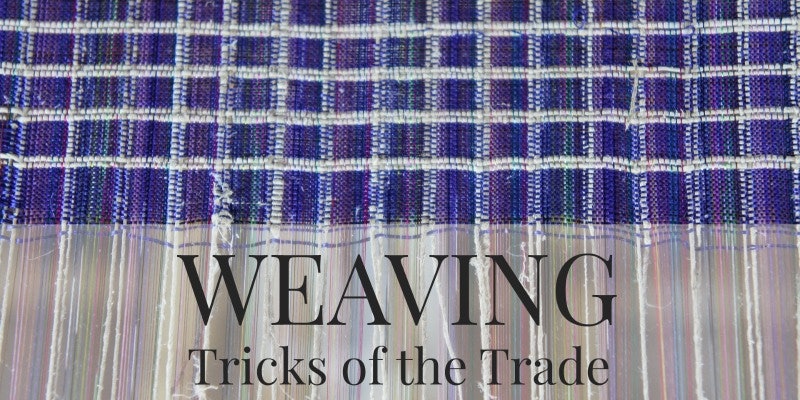
You see a project you really love, but you don’t have the right yarns. You could order them, but you want to start weaving today. Here are some tips for using the yarns you have.