
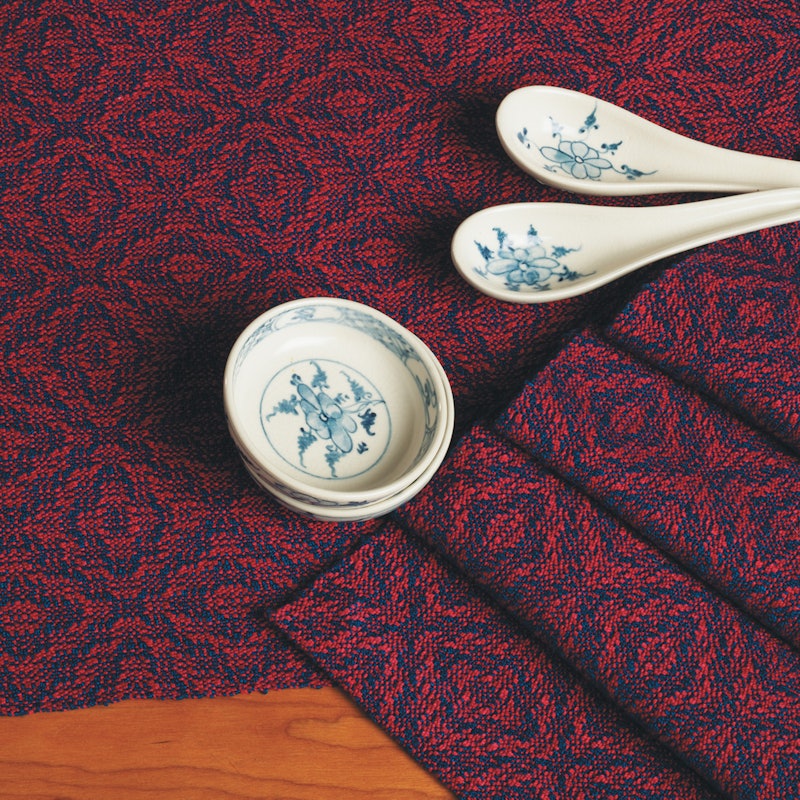
A Tale of Twill
Madelyn van der Hoogt hated twills when she started weaving. But the introduction of colored publications in the 80s gave her a new love of twill weaving!
Category
Madelyn van der Hoogt hated twills when she started weaving. But the introduction of colored publications in the 80s gave her a new love of twill weaving!
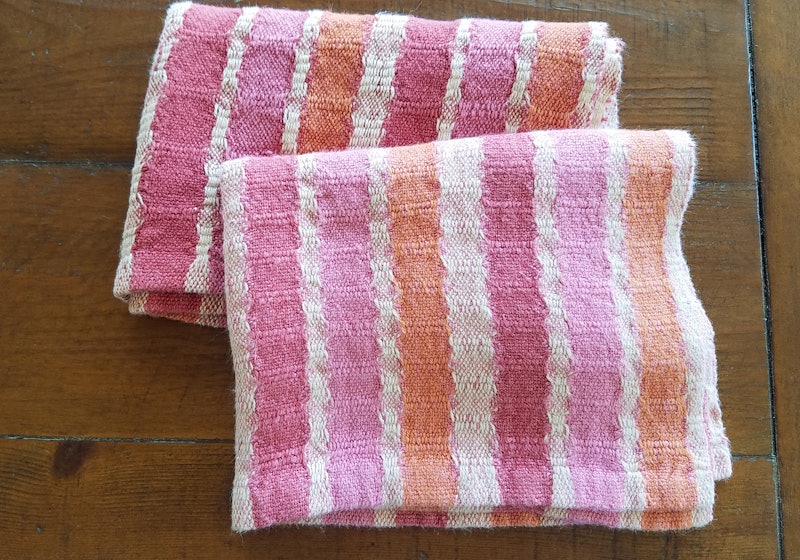
Sometimes, but not always, you can turn a weaving disaster into a weaving success.
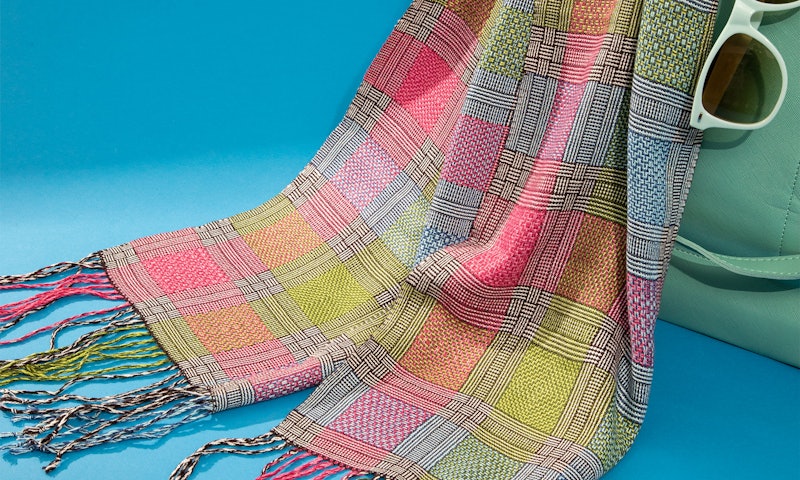
Access the free web extra downloads for the projects in this issue of Handwoven magazine.
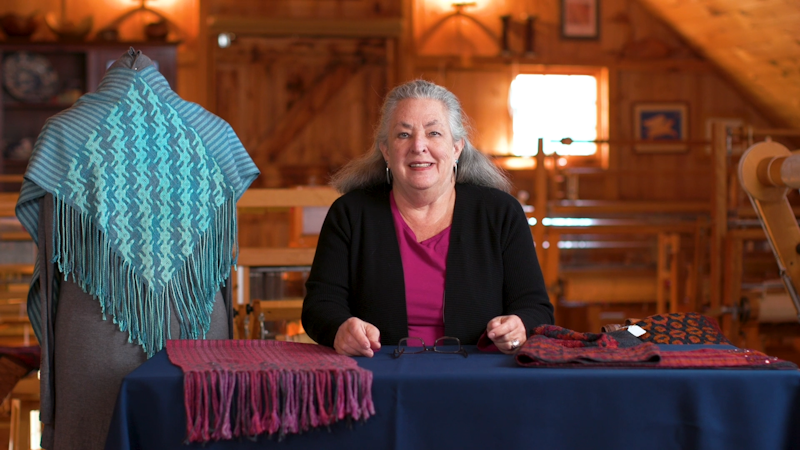
I was expecting heavy weaving “stuff,” but instead I was amazed by Janney’s seemingly unlimited desire to explore DDW’s possibilities.
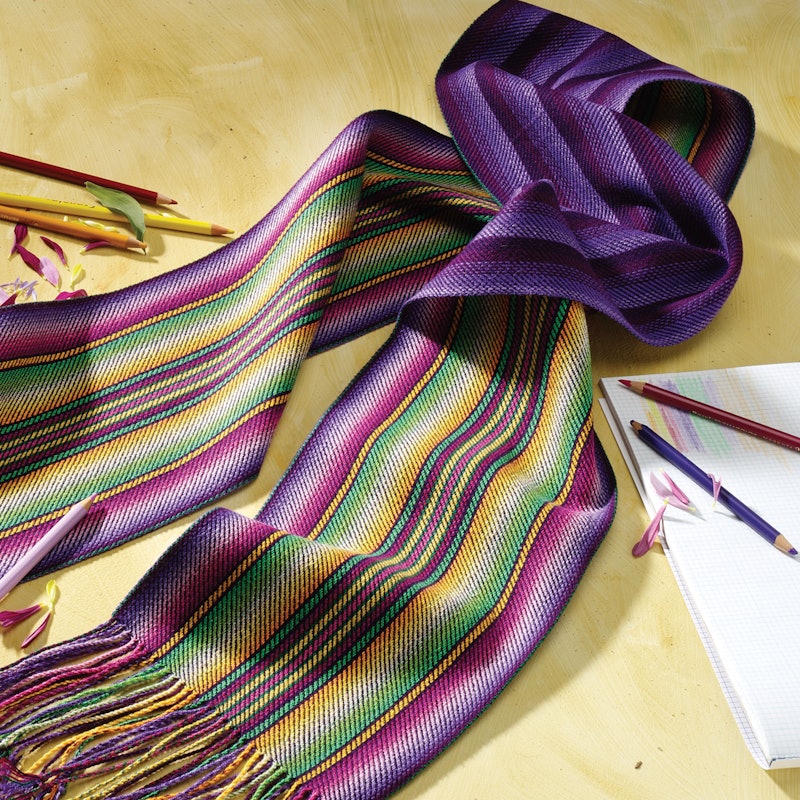
Two scarves with similar roots but different looks. Both are free for subscribers—choose your favorite!

Our spring issue will be all about the birds and the bees (PG only!) ... or depending on how you interpret it, anything else that flies, including time and your imagination!
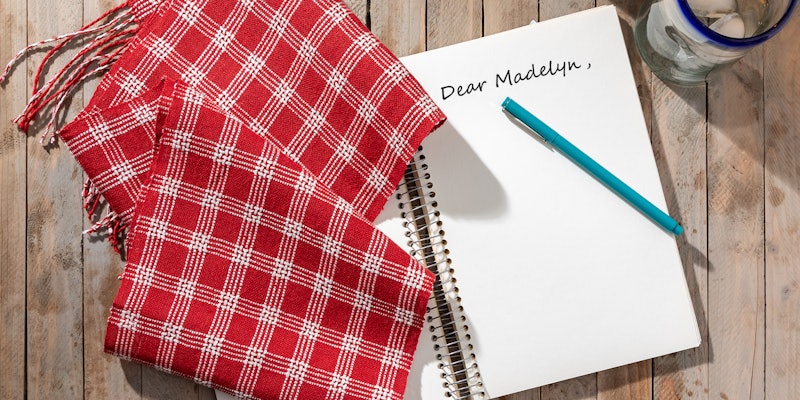
What if your loom is narrower than the width of the project you want to weave? Madelyn explains how to reduce a threading draft to fit your loom.
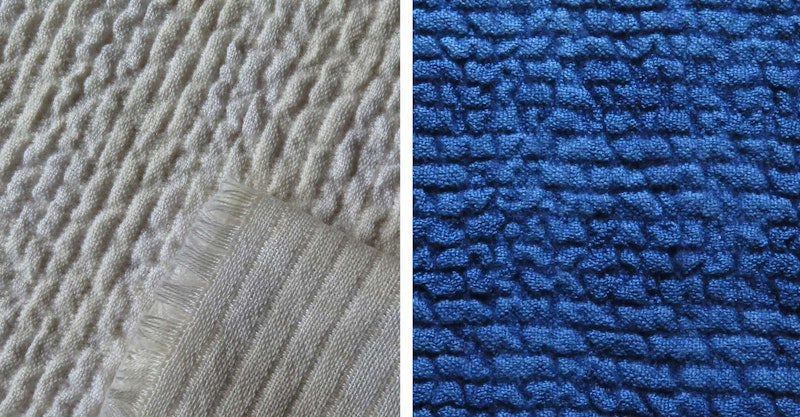
Structurally, distortion and deflection occur in cloth if there are areas of plain weave adjacent to areas of floating ends and/or picks. Weft Bedford cord falls into that category.
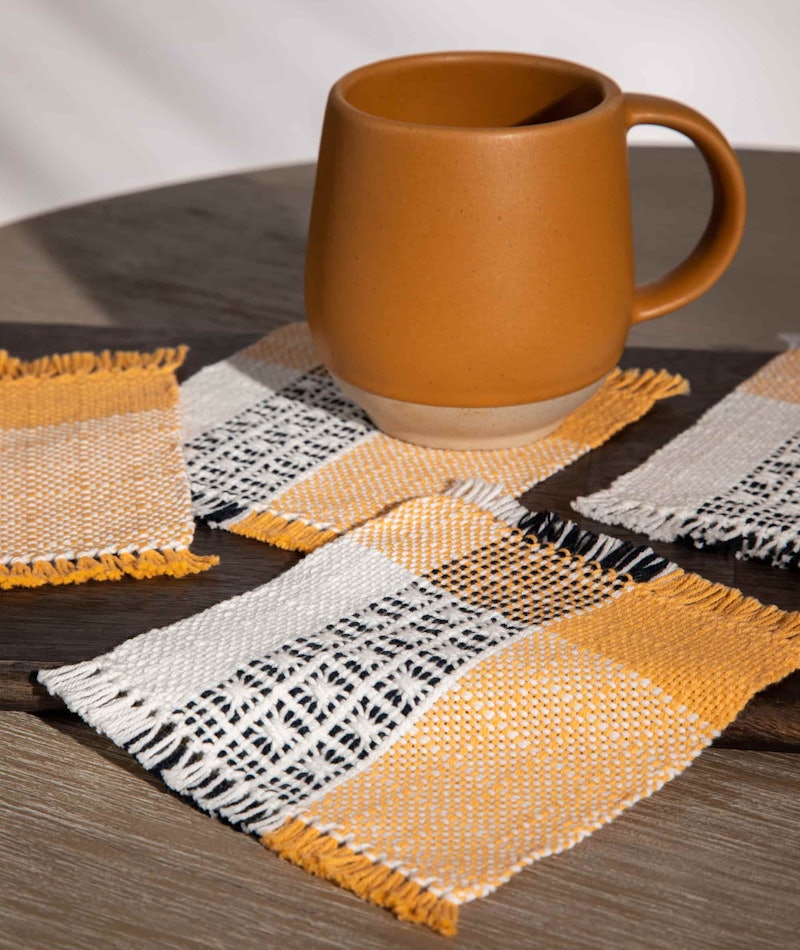
Jennifer Kwong’s beginner friendly Palm Springs Cocktail Carpets are a perfect example of how simple elements can combine to create complex-looking cloth.
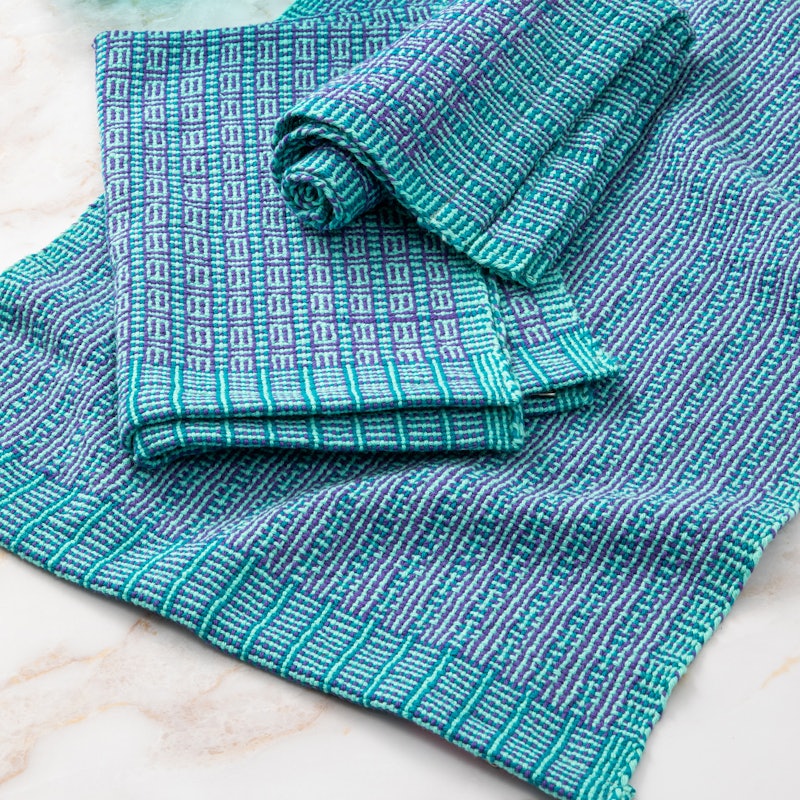
By breaking with tradition, Barbara Goudsmit designed a shadow-weave design ... without shadows. This is a free download of her 4-shaft towel pattern for All Access members.
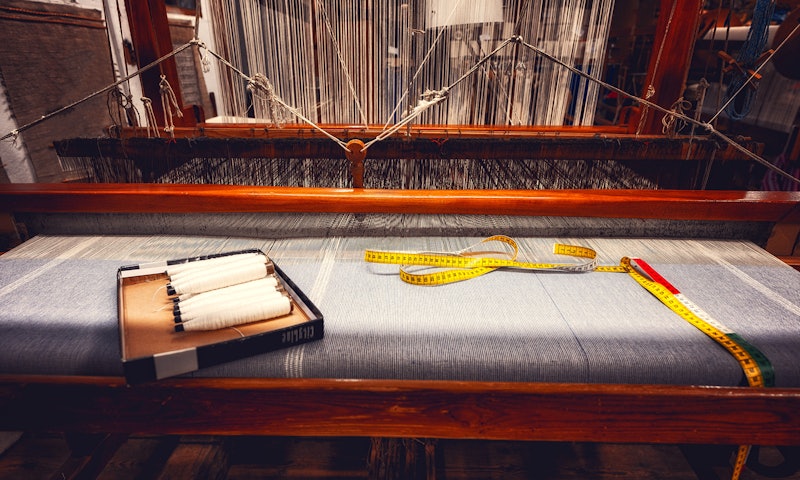
Maybe it isn't you but the weaving rules that are causing those errors in your weaving! Linda explains.
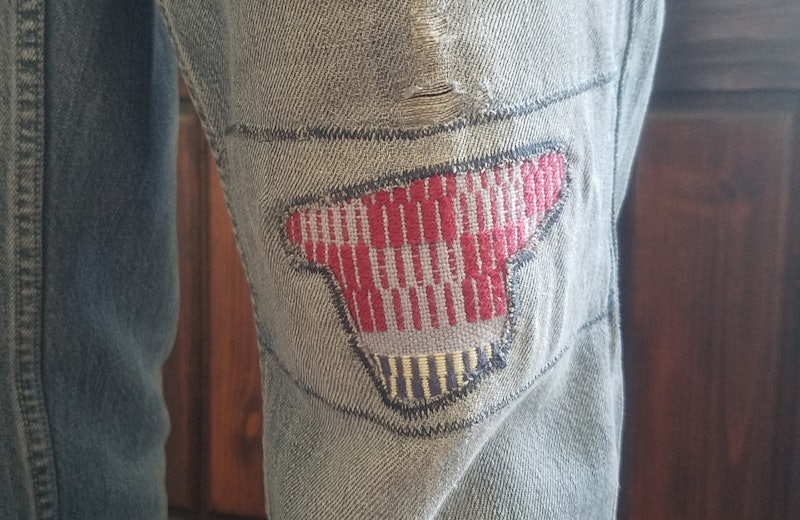
Who knew visible mending would become a thing? I would never have foreseen it, but I’m all in ... with handwovens.