
The Downside of Having Looms in Two Places
It isn’t that easy to have looms in two places unless you are willing to create two weaving studios.
Category
It isn’t that easy to have looms in two places unless you are willing to create two weaving studios.

Just about anyone is capable of winding a warp and weaving a scarf on a rigid-heddle loom, but weaving a wonderful scarf takes thought, planning, and sometimes a fair amount of patience. This is why I love Loom Theory: Rigid-Heddle Scarf Collection.
In 2018, Handwoven associate editor Christina Garton and I worked together to complete five issues of the magazine. We didn’t, by any stretch of the imagination, do it alone. We did it with the help of a whole bunch of great people.
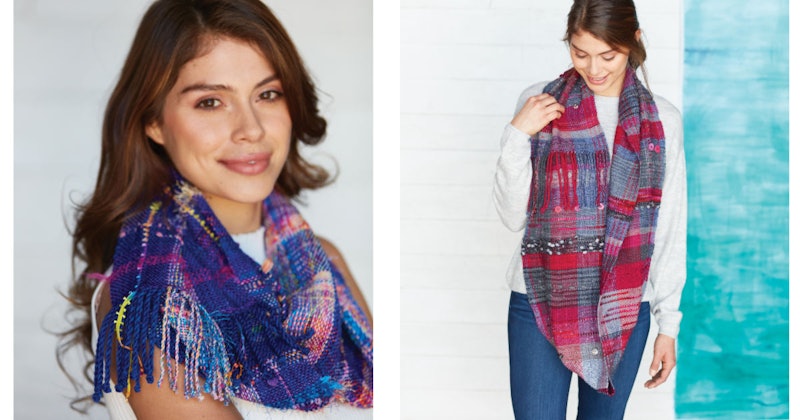
I am a knitter as well as a weaver, and I’ve developed a freeform weaving style that allows me to escape the constraints of knitting to create funky—and wearable—infinity scarves that use up the little bits of yarn that accumulate over time.

The day after chocolate-covered Valentine’s Day comes Singles Appreciation Day, when uncoupled people celebrate or commiserate their solo status. Most yarns are also in a relationship—that is, plied.
Tom has taught weaving for over 30 years—from the most begin-iest of beginners to weavers who thrive on complex, multi-harness projects.
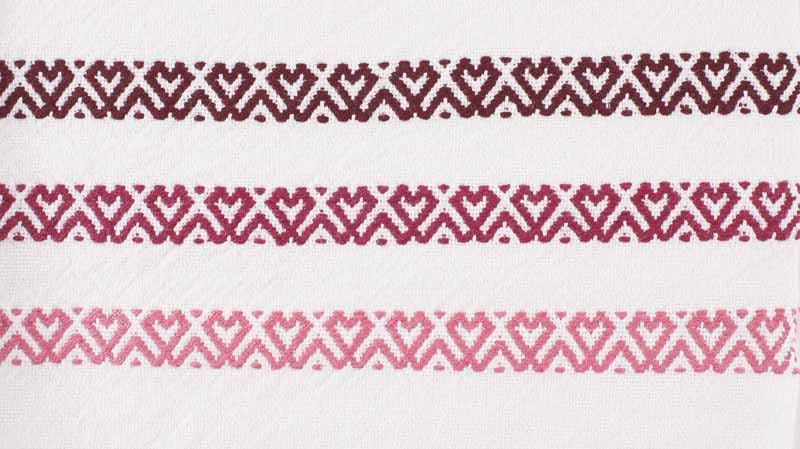
Download this pattern for these inkle-woven bands with pretty little hearts all over them.

I believe weaving is on the upswing. It may be strictly anecdotal and I may be biased (imagine!), but in the past few years, I’ve noticed many new weaving books being published, a surge in membership in my own weaving guild, and more interesting weaving.
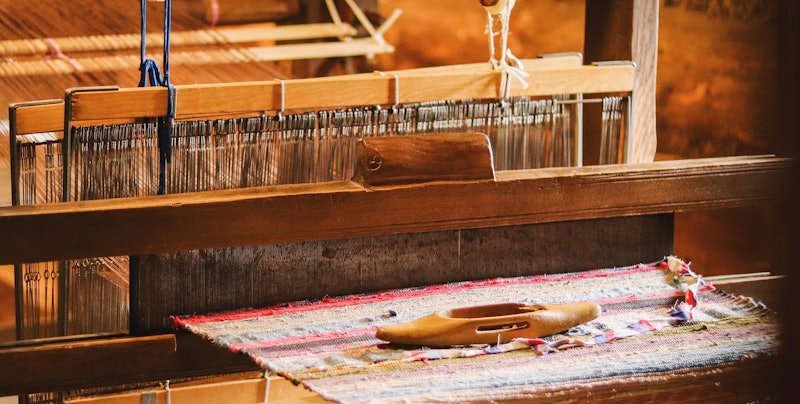
Imagine this: the perfect day of weaving, when everything that could go right does go right.

Sometimes a project is based on a vision of the finished piece. Other times, I simpy fall in love with a skein and build a project around its best features.

I hope you have warped your Team Colors Scarf and are happily weaving along. Here are some weaving tips from designer/weaver Elisabeth Hill that you may find useful for this weave-along project or your next one.
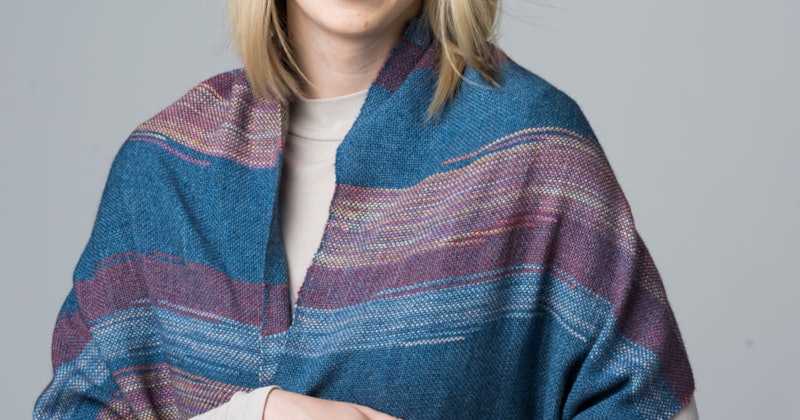
When Judith Shangold told me she wanted to weave a shawl using the hatching technique, I was intrigued—and a little worried. Hatching is a traditional tapestry technique, and when I think tapestry, I don’t think of fine shawls with great drape.