
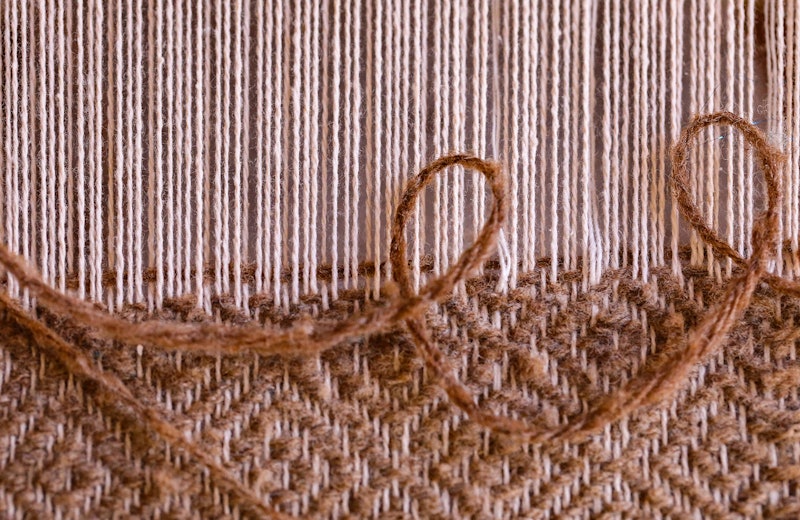
Don’t Follow my Example! Sample Before Starting a Weaving Project
Not sampling before starting a weaving project is a mistake that I will probably repeat many more times in my weaving career.
Category
Not sampling before starting a weaving project is a mistake that I will probably repeat many more times in my weaving career.
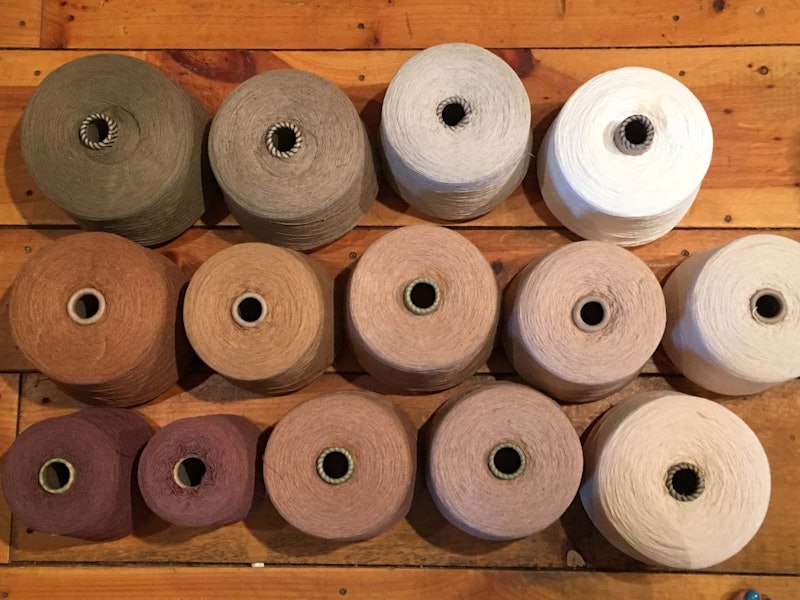
I think most of us can relate to having what seems like a great weaving project fall apart on the loom. Here is Elisabeth Hill's first post about that experience.
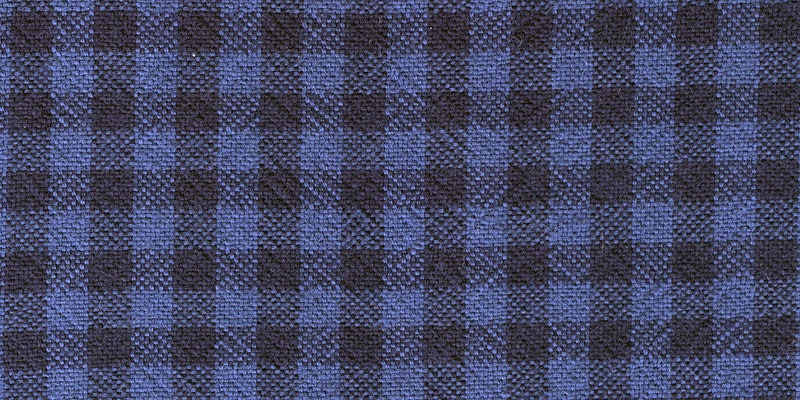
People often say they learn best by hearing or seeing, but I believe we can all agree that learning by doing is the very best.
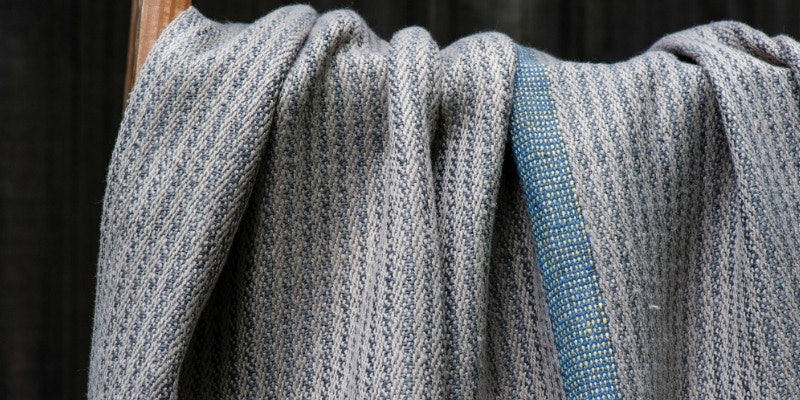
In her article for Handwoven, Anne Laure Camilleri gives an inside look into the mind of Marian Quanbeck Dahlberg and Väva Veve.
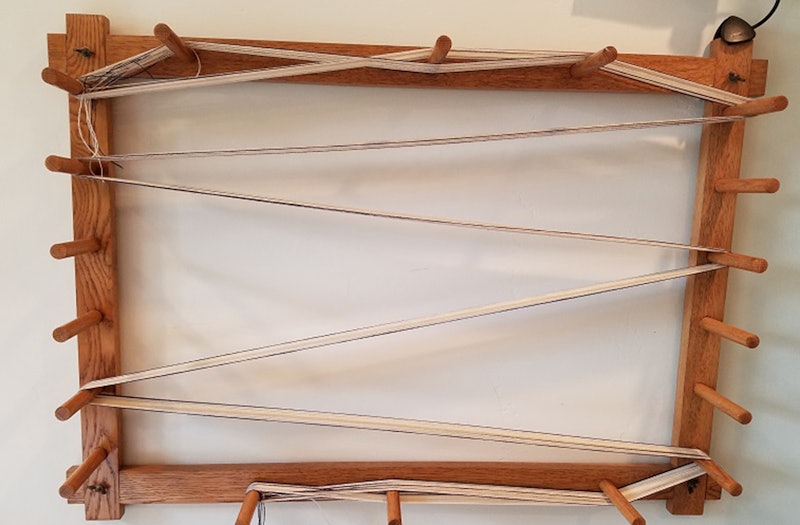
I realize that many of my problems come from being distracted. In this list most, problems are due to not being careful while winding, warping, and dressing my loom.
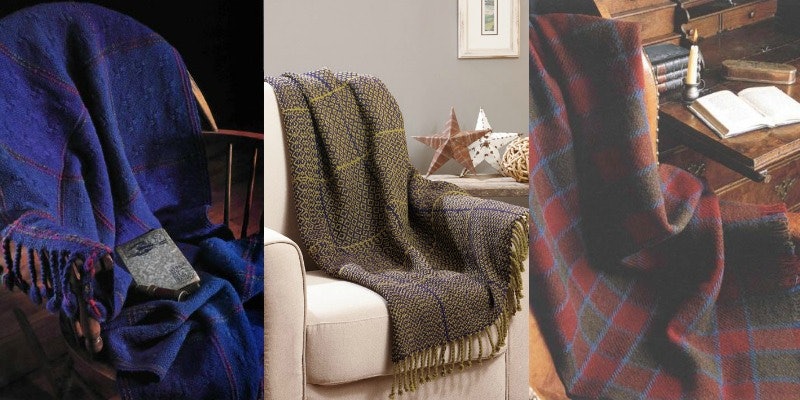
Sitting at a loom might not seem like the coziest of endeavors at first, but I assure you that cozy weaving is not only possible, it is delightful.
The last issue of Handwoven shows a rigid-heddle project for towels (Jenny Sennott, Two Savory Towels for the Rigid-Heddle Loom, November/December 2017).
If I had rewatched The Loom Owner’s Companion Course, I would have been reminded about weaving loom maintenance and many other important tips.
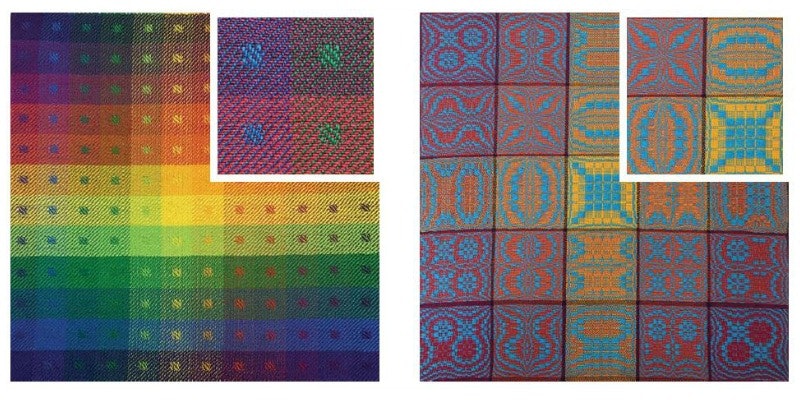
Want to learn more about a particular structure? Want to learn more about how different warp and weft colors interact? Try weaving a gamp! What is a Gamp?
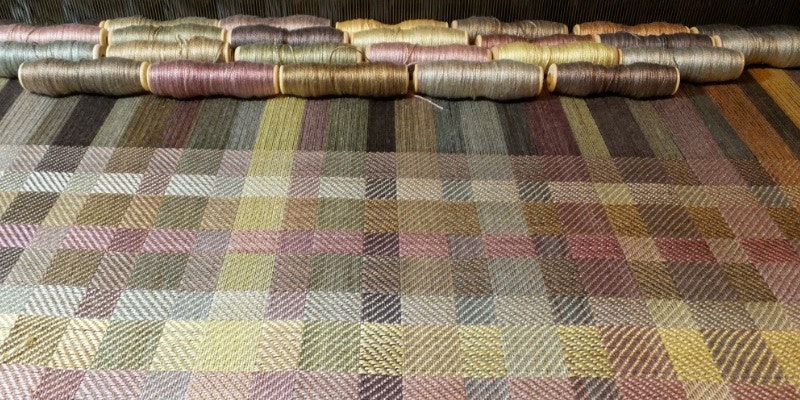
For centuries people dyed cloth with whatever they could find in nature. Natural dyeing drastically decreased when chemical dyes came on the market.
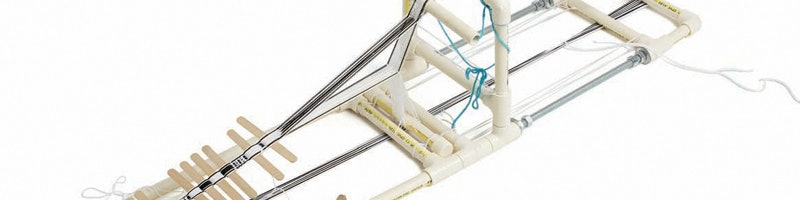
Learn everything you need to know about selecting and using weaving looms in this exclusive, FREE eBook that showcases different weaving looms & more.
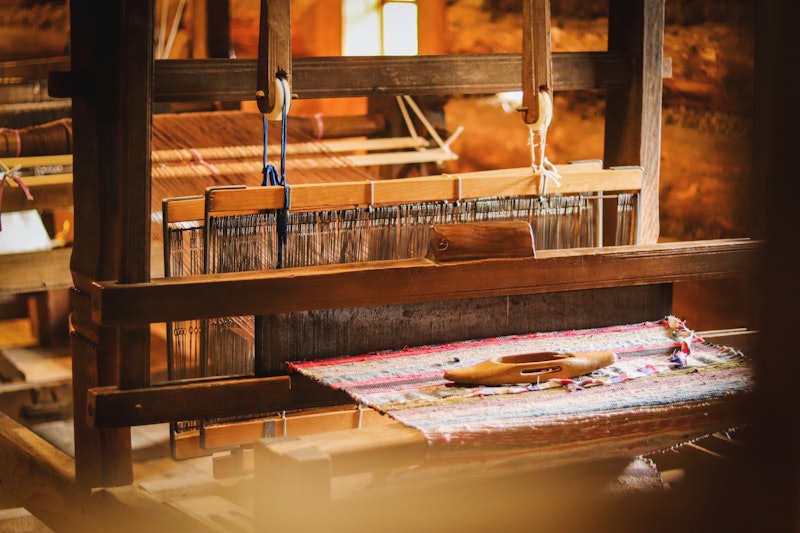
Learning how to weave on a loom is easier than you think with this FREE eBook that includes the basics of weaving, weaving looms, weaving terms, and more!