
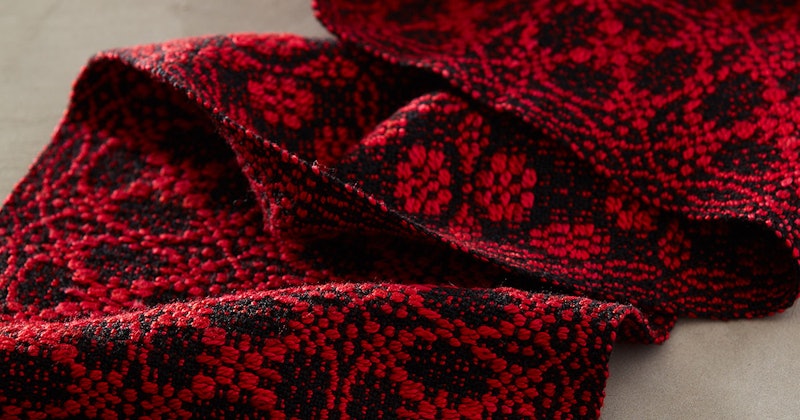
An Ode to Sampling
For me, there’s something cathartic about knowing that I can try anything I want to and it won’t damage the end result, as the ultimate goal of sampling is to learn what to do, or more often, what not to do when weaving.
Category
For me, there’s something cathartic about knowing that I can try anything I want to and it won’t damage the end result, as the ultimate goal of sampling is to learn what to do, or more often, what not to do when weaving.
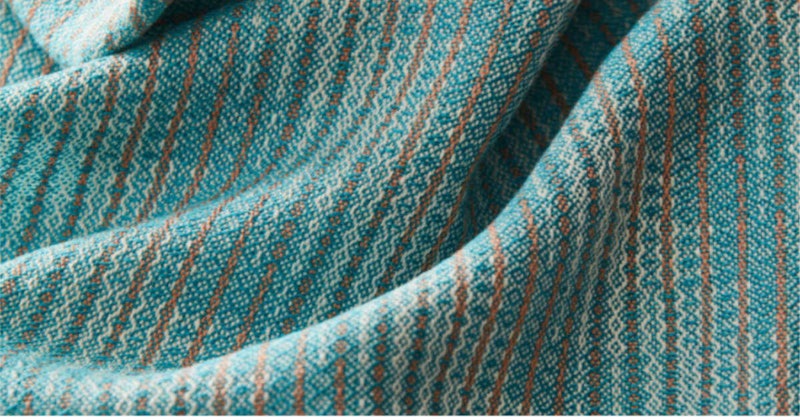
I love weaving that boldly proclaims its complexity—the sorts of projects that make weavers and nonweavers alike ooh and ahh. Deflected doubleweave, for example, is bold and loud in all the best ways, a bit like the Dolly Parton of weaving.
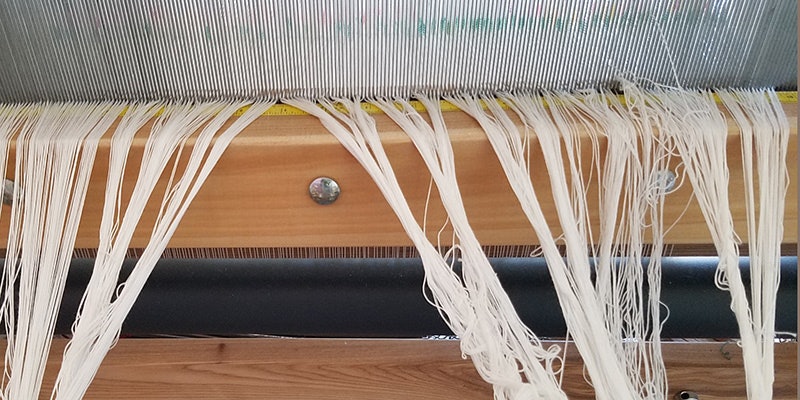
I’m working with 16/2 cotton that I originally sett at 30 epi. That might be a great sett for plain weave, or even a scarf, but when I finally sampled my M’s and O’s pattern, I saw immediately that a sett of 36 was a better choice for towels.
If you weave a sample at 10" width and then weave the fabric at 30" width, you are going to have to up the acceleration to get the same weft density. In cases where you are trying for a dense weft sett, sometimes this can't be done.
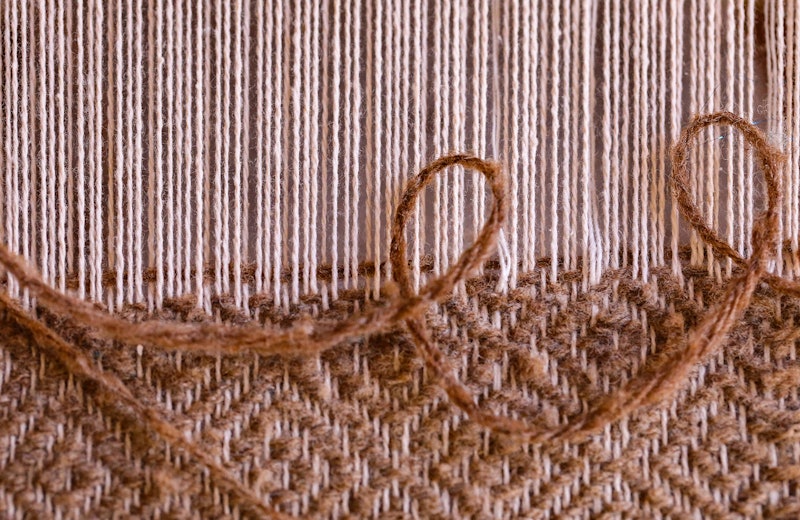
Not sampling before starting a weaving project is a mistake that I will probably repeat many more times in my weaving career.
For this edition of Why We Love we’re focusing on something we at Handwoven couldn’t live without: our designers. We wouldn’t exist without their willingness to share their talents and their projects with the world.
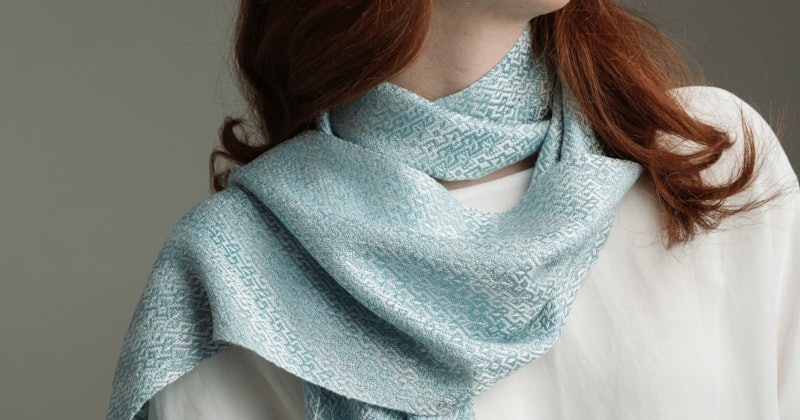
Wet-finishing is one of those weaving techniques that intimidates many--including me! Here's how I overcame my fears and learned the magic of wet-finishing.