

Latest
Tips From the Fringe—and the Hemmed Edge
Many weavers stumble when it comes to the final steps in their projects.
Category
Many weavers stumble when it comes to the final steps in their projects.
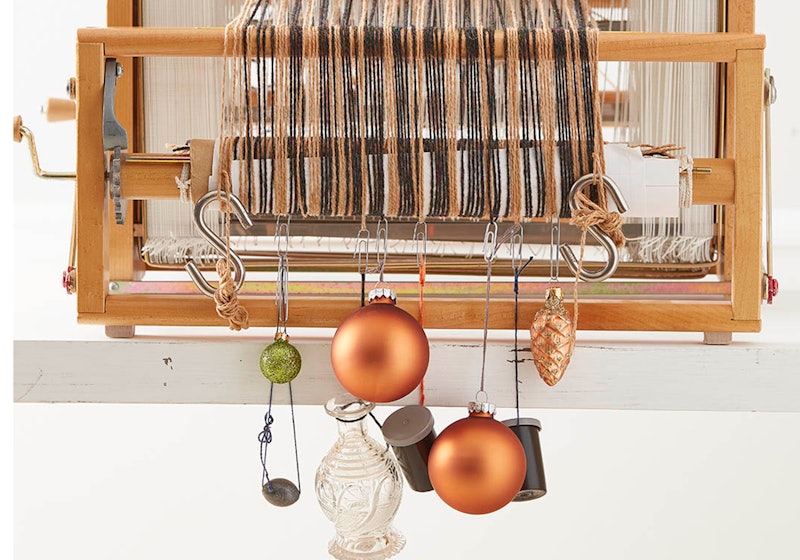
The worst day weaving is still better than the best Black Friday spent fighting the crowds for a deal or two.
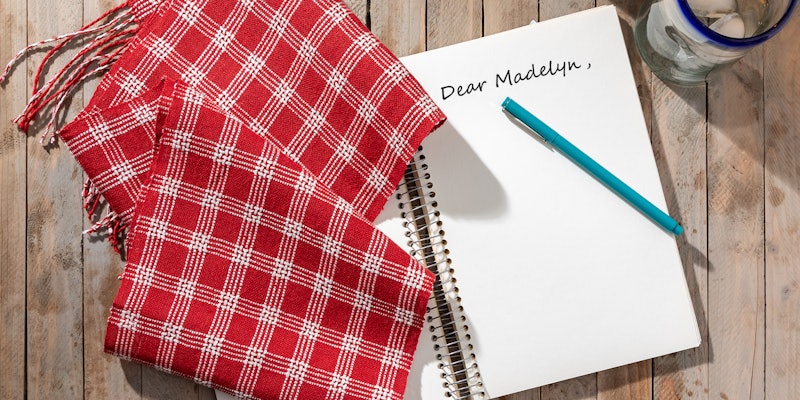
Sometimes after wet-finishing, plain-weave fabrics will have a cross-hatching pattern that won't press out. Madelyn describes what is commonly known as tracking.
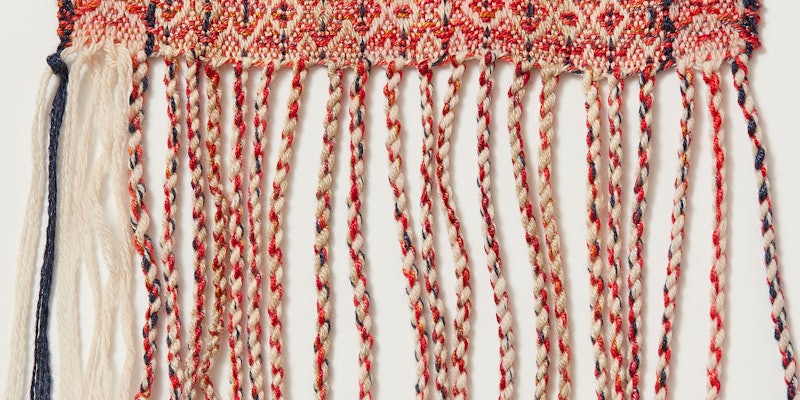
I’ve heard it said that the front door of a house can tell you a lot about the actual house. I believe the same can be said about fringe and the finishing of a weaving project.
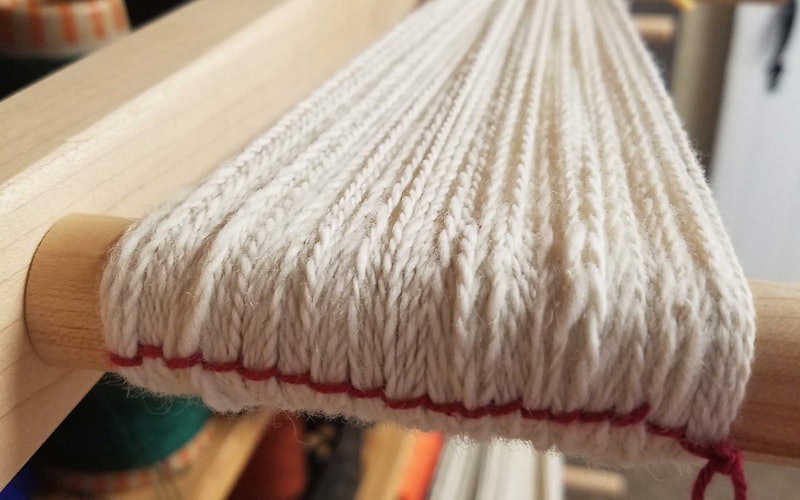
You can use a yarn's twist in your handwoven cloth to your advantage. Tom explores tracking and then spins yarns to test how it affects cloth in this article from Handwoven Jan/Feb 2022.
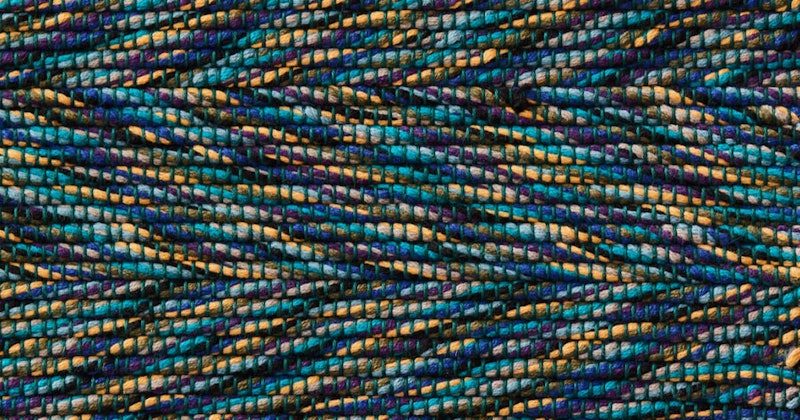
You might not realize it, but the Shakers of old gave us a lot to be thankful for. Do you own a flat-bottomed broom? Those were first patented by a Shaker. Do you enjoy buying packages of seeds every spring? Shakers invented those, too.
I had no idea how difficult woven rep was going to be—the threads are twisting between the reed and the heddles as I wind on. What else can I do?
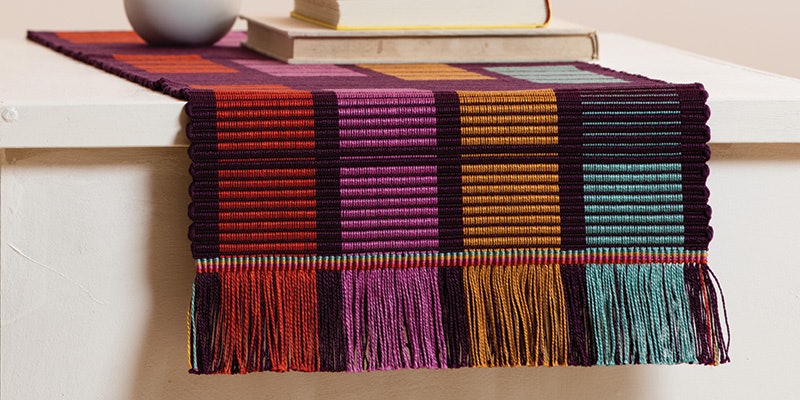
Applying the same standards to the finishing as you did to everything else about a project sometimes takes more time than the weaving.
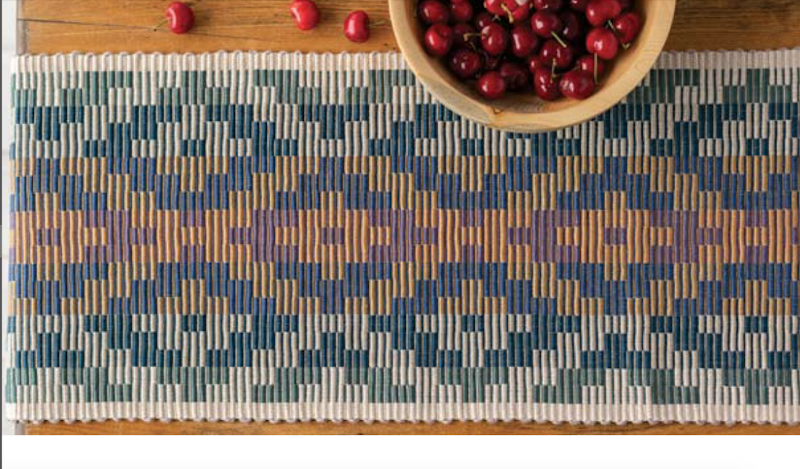
Satin is the backbone of Jacquard weaving because the high warp-dominant vs weft-dominant contrast creates wonderful patterning possibilities.
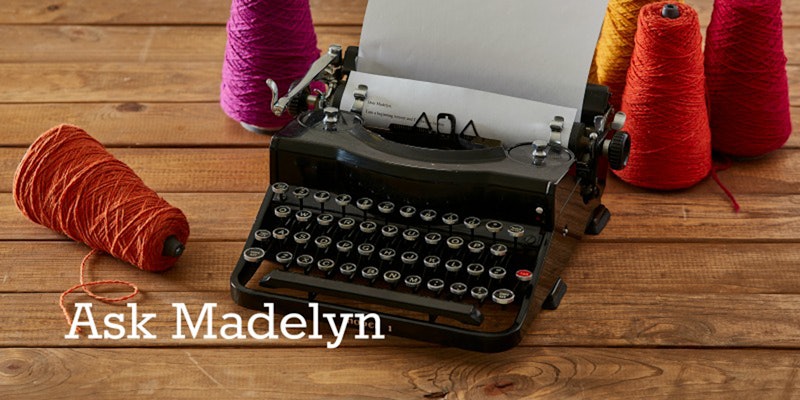
It is true that if you unwind from a yarn package (cone or spool) with the package on a horizontal spindle of some kind that you won’t be adding or subtracting twist to the yarn as it unwinds. How do you manage that?
Are you the only one who notices that your fringe isn't perfect?
Do you have to hemstitch when you are planning on twisting fringe? Madelyn doesn't think so!