
Summer Weaving
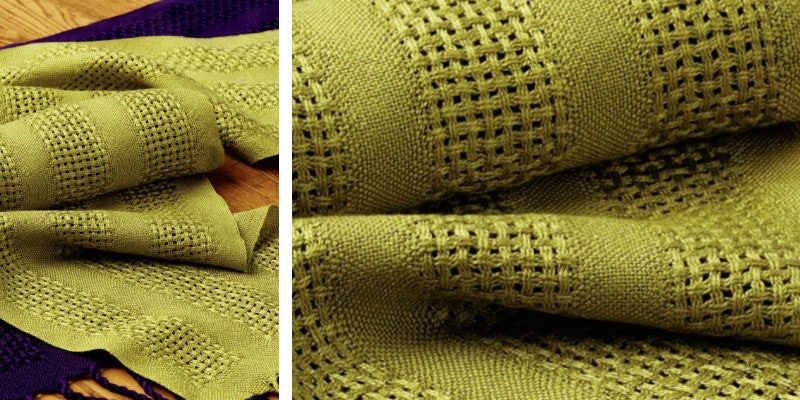
Summer weaving isn't the same as winter weaving that often involves weaving for the holidays.
Category
Summer weaving isn't the same as winter weaving that often involves weaving for the holidays.
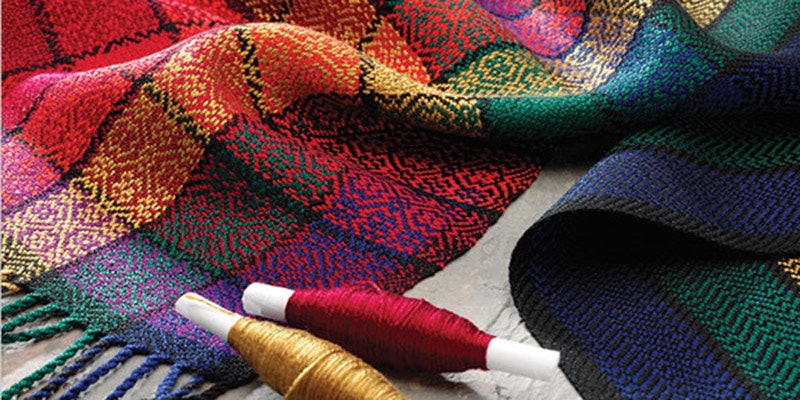
Most projects need some sort of finishing touches, whether it is knotting, twisting fringe, hemming, or clipping and sewing in ends. And even then, an experienced weaver will tell you that the project still isn’t finished.
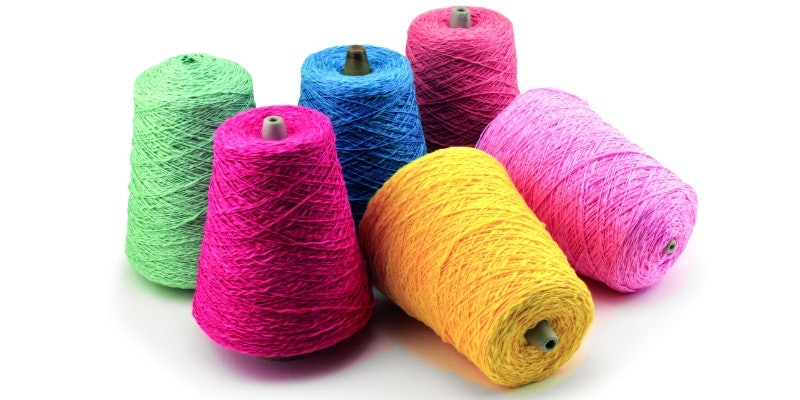
Love trying new yarns but don’t know where to start? Then make sure to check out the Yarn Lab feature in every issue of Handwoven. In the March/April 2018 issue, Jenny Sennott plays with Halcyon Yarn’s Block Island Blend.
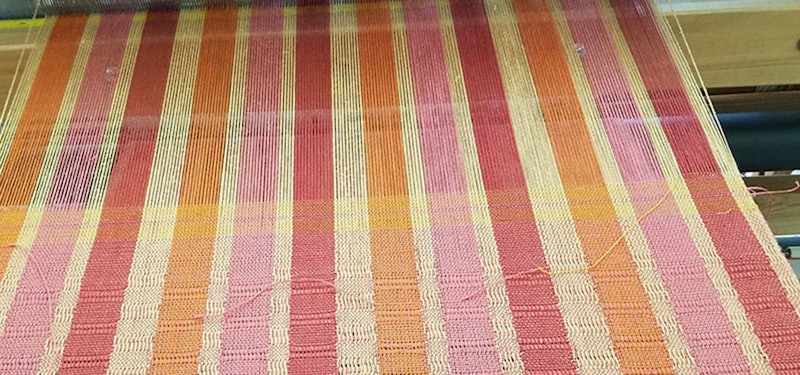
Weaving is both simple and difficult and that's why Susan loves it.
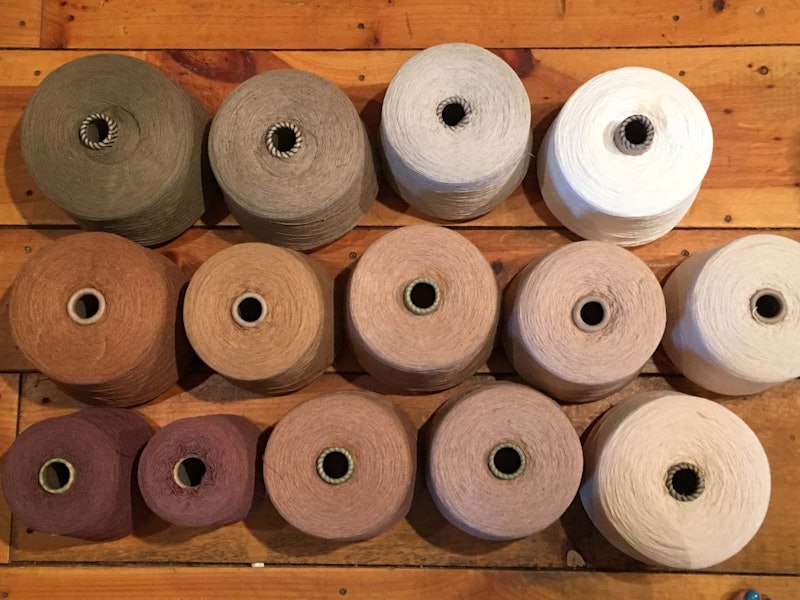
I think most of us can relate to having what seems like a great weaving project fall apart on the loom. Here is Elisabeth Hill's first post about that experience.
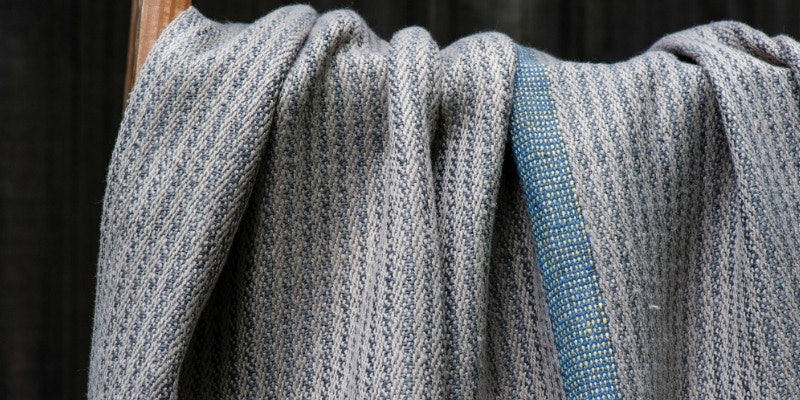
In her article for Handwoven, Anne Laure Camilleri gives an inside look into the mind of Marian Quanbeck Dahlberg and Väva Veve.
When learning how to weave, many weavers struggle with calculating take-up. Learn to predict your final weaving dimensions based on materials and structure.
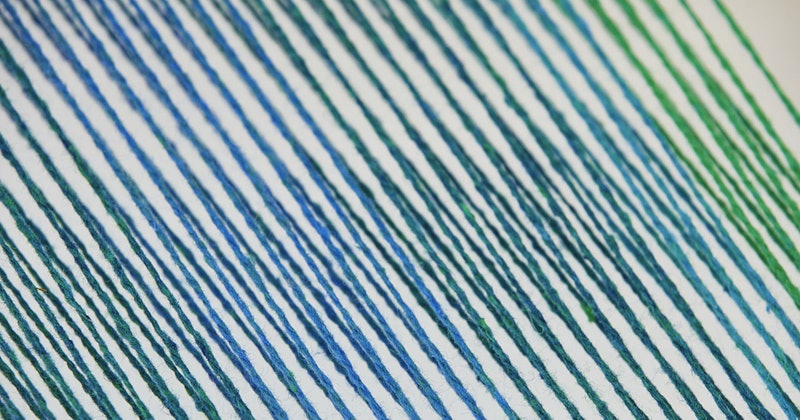
When it comes to weaving techniques, pick your battles carefully, and I believe you will get more satisfaction from the process.
Isn't mercerized cotton as absorbent of water when using it to dry dinnerware? I'd like to make these towels using mercerized cotton if possible.
The older I get, the more I choose to weave with thin fibers, such as fine cotton, linen, and silk because the results are more interesting for me. I also love to combine weave structures because that also produces interesting results.
I'm not advocating that everyone clean up their weaving studio, far from it. My point is about making your studio someplace that you want to be.
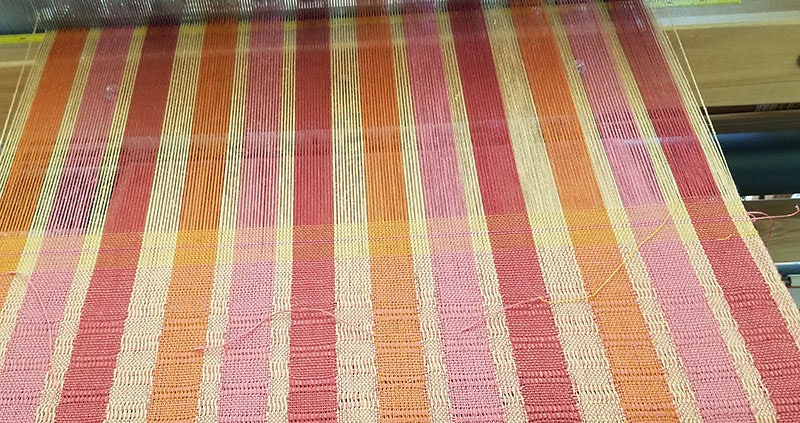
Selvedges are always a concern to weavers, even though most non-weavers would never notice what we consider to be terrible flaws.