
Loading the latest stories…
Discover just how much you can do with four shafts and a few simple ideas.
Handwoven Editors3 min read
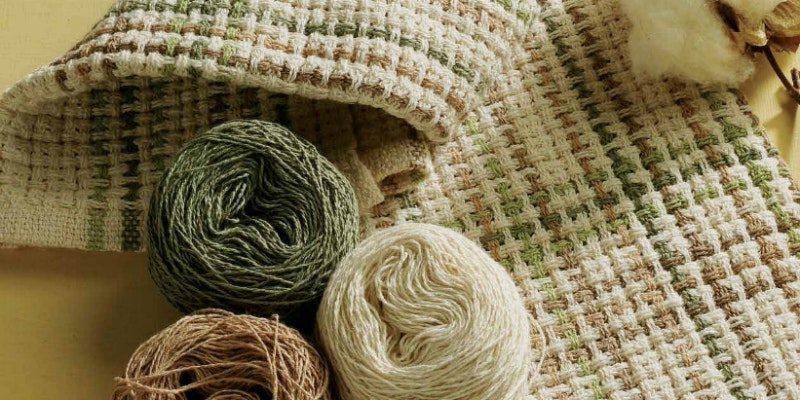
I learned to weave on 8-shaft looms, so I went out and bought an eight-shaft loom along with a book of eight-shaft patterns, and wove for several years without ever thinking about what could be done with four shafts.
Then I bought a copy of Marguerite Porter Davison's Handweaver's Pattern Book, full of 4-shaft loom weaving patterns, and was blown away by the possibilities. My creativity works best within parameters, so I welcomed the challenge of working with four shafts.
But as I learned more about weaving, I began to see that the possibilities for creative cloth go far beyond patterning; with weave structure, color, texture, oodles of yarn choices, supplemental warps and wefts, and all the combinations thereof, I realized that four shafts present few boundaries and almost limitless possibilities. I also came to realize that some of the loveliest cloth is simple, working within one or two dimensions to produce something deeply satisfying.
Weave well,
Susan
In honor of the amazing, versatile four-shaft loom, we compiled four beautiful free patterns for handwoven dish towels and napkins, available to you in this downloadable eBook.
 Erica de Ruiter‘s napkins are a great small project to learn structure with.
Dutch Flag Napkins by Erica de Ruiter
Handwoven napkins bring a personal and unique touch to any dinner or special occasion. Whether you're looking to learn a new technique, weave a special gift, or create a set of colorful napkins for your own table, napkins are always a fun and gratifying project. This project will teach you how to design an attractive stripe sequence, a skill you can carry with you to future weaving projects.
 Try out a twill with these towels by Margaret Gaynes.
Simple Twill Towels by Margaret Gaynes
Towels are a perennial favorite weaving project, because each towel on any given warp can be woven with a different weft color, treadling, or stripe sequence to create a varied but coordinating towel set. Handwoven towels make perfect gifts, too; everyone can always use more towels. This project will teach you the basics of weaving twill towels on a four-shaft loom.
 Kate Lange-McKibben‘s kitchen towels encourage you to experiment with fiber—and they all make wonderful gifts.
Kitchen Towels in Four All-Natural Fibers by Kate Lange-McKibben
It is an enlightening experience to weave the same towel draft in four different all-natural yarns: pearl cotton, unmercerized cotton, pure linen, and a cotton/linen blend (cottolin). Variations in texture, color, lint-producing capacity, draw-in, shrinkage, hand, and absorbency all come into play. Choose a yarn to explore or weave coordinated sets of towels in all four yarns to test their absorbency and durability in your kitchen.
 Start a weave study with friends and trade towels and skills.
Selections from Twelve Months, Twelve Weaves, Twelve Towels by Karen Folland
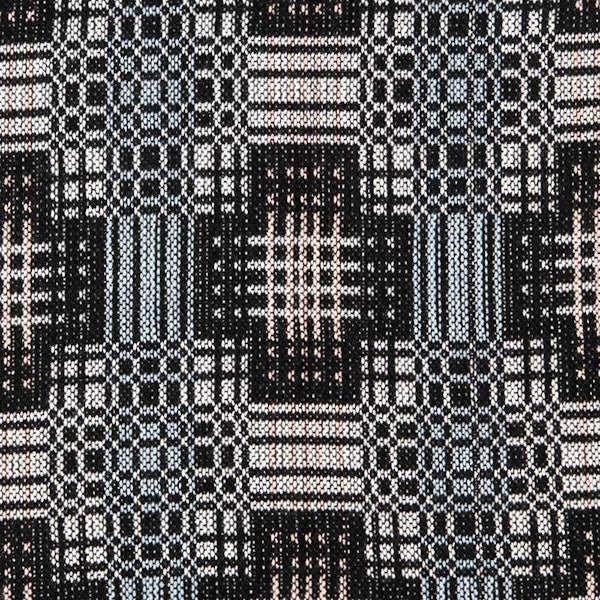
Towels make an ideal format for studying different weave structures. Patterned borders and lace textures are yours for the experimenting! Practice overshot and turned monk's belt in the two towels included in this eBook. We selected these towels from a project where a weaving study group wove a different towel every month for a year. The project even includes tips for your own weaving study group!
Originally published July 10, 2017; updated July 8, 2024.
More from Handwoven
From the Library






Comments
No comments yet — be the first to share your thoughts.
Sign in to join the conversation — commenting is for signed-in members.