
Loading the latest stories…
I thought I was sampling for color, but to my surprise, it ended up being a sample for sett.
Susan E. Horton2 min read
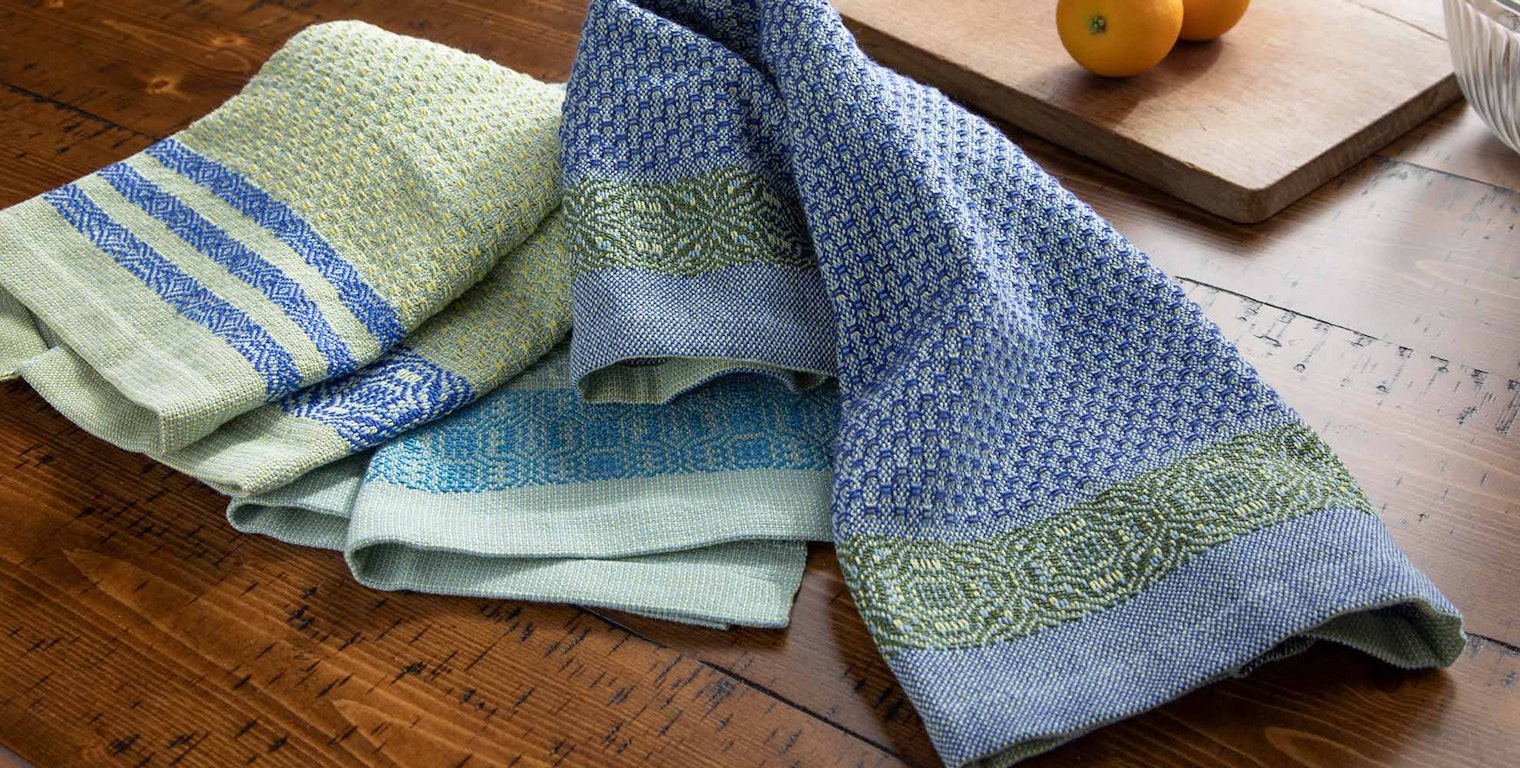
Over the past month or so, I’ve been slowly developing a project using a blended draft of huck lace and 2 overshot designs, Sweet and Lovely and Orange Peel, with the goal of having a towel warp that can be woven in a multitude of ways. I was inspired by Diane Pigg’s Hoosier Huck towels in Handwoven May/June 2020, in which she combined huck lace and Hoosier Talleyho, an overshot design by Bertha Gray Hayes.
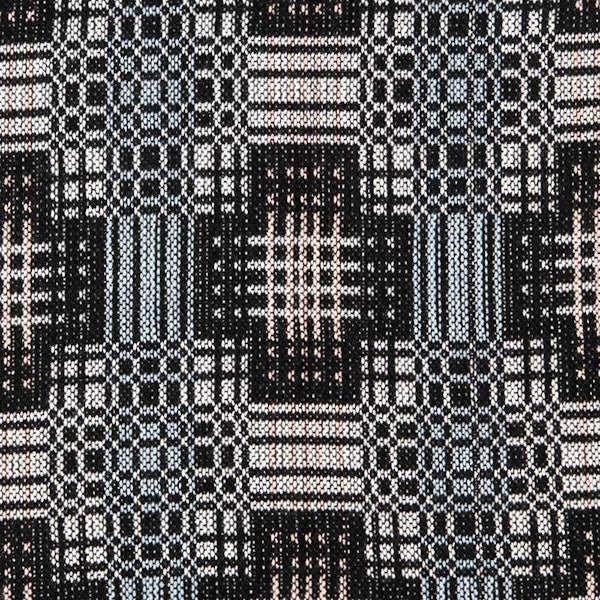
I call my blend of 3 drafts, Sweet Orange Huck. The warp and weft will be natural and white 10/2 unmercerized cotton except for the overshot patterning. Combining like colors in a warp can add depth, but Tom Knisely’s book Huck Lace Weaving Patterns with Color-and-Weave Effects made me think it could be interesting to warp the 2 colors 5 ends at a time for some color-and-weave effects. I put on a narrow warp doing just that on one side and mixing the 2 colors on the other. I wasn’t concerned about sett. Based on the huck sampler I wove several years ago that I sett at 20 epi and some overshot and plain-weave napkins, I was sure 20 epi was the correct sett.
While weaving my sample, I noticed that I was inadvertently beating the huck areas too tightly. I tried not to, but I wasn’t successful. I’ve always found that the best sett is the one that comes naturally. That may not be the correct approach for a more exacting weaver, but for me it works. I’d rather enjoy the weaving process than second guess my beat as I treadle.
After I cut it off and wet-finished it, the huck portion seemed a little sleazier than you would want for a towel, so I resleyed in the same 10-dent reed (2-2-2-3) for an epi of 22.5. With the new sett, I found it easier to beat consistently and not overpack the weft. After cutting off and wet-finishing, I am also happier with the fabric’s hand—it seems more towel-like. With the remaining warp, I’m going to try one more sample, sett at 24 epi. Once it is woven and wet-finished, I’ll check the hand in the 3 structure types—overshot, plain weave, and huck—and choose my favorite sett. I can’t be certain, but I think it may be the switch from mercerized to unmercerized cotton that is causing the difference in beat and the fabric’s hand.
As for the color-and-weave effect, unless you squint, you can’t see it, but I’m awfully glad I sampled before putting on a long warp.
Weave well,
Susan
More from Handwoven
From the Library







Comments
No comments yet — be the first to share your thoughts.
Sign in to join the conversation — commenting is for signed-in members.